
Introduction
Packaging design is among the most potent yet overlooked tools for marketing and branding. When a consumer is able to touch a product or read the description or reads the reviews, they initially see the packaging. The first interaction with the packaging has a significant role to play in creating perception, activating feelings, as well as influencing purchase decision-making. Today, in the high-stakes retail and online shopping world, packaging more than just a packaging material, it is now a strategic asset.
The public is exposed to a myriad of items every single daily, on and offline. At the supermarket, shelves are filled with identical items all competing to be noticed. Customers on e-commerce sites browse through a myriad of product categories. When it comes to both, the packaging design can be the decisive element that helps a product stick out. An attractively designed package conveys worth, quality and confidence in a matter of moments.
Packaging is also a key influence on the brand’s success. A consistent and memorable design of packaging creates the brand’s reputation, increases its image and boosts customer loyalty. Brands who invest in the right packaging design typically experience more engagement, greater perception of shelf space, greater recall and better results in sales.
In this article we’ll explore the ways in which packaging designs influence consumer perception buying behavior and the long-term growth of brand. The blog will also explore some of the most important aspects of successful packaging design, and the ways businesses are able to use packaging effectively to increase their competitive edge.
What is the Psychology Behind Packaging Design
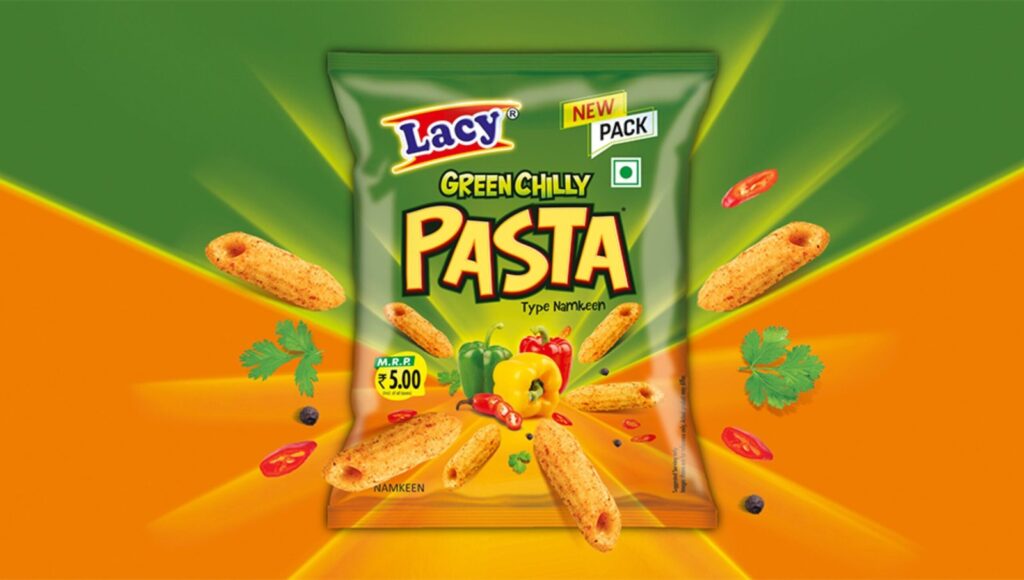
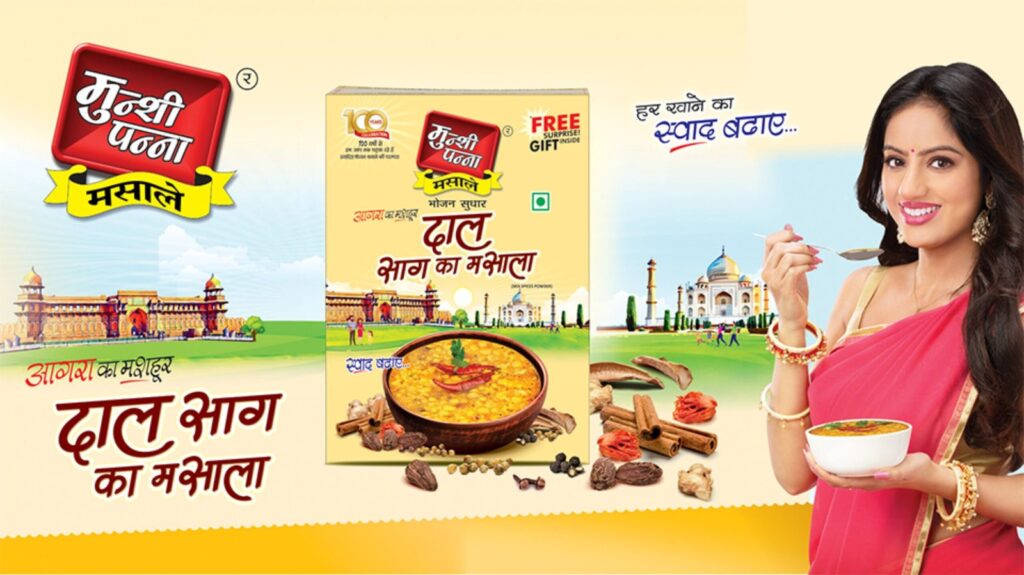
The design of packaging is based at a level of psychological. Typography, colors, forms and layout can stimulate emotional responses and influence purchasing decisions before the rational process begins.
Emotional Triggers
Humans are prone to make purchases in a way that are emotionally driven and then justify them following. Designing packaging can trigger these triggers for emotion:
- Bold and bright colors draw the eye and spark excitement
- Tones that are soft and neutral convey the confidence and tranquility
- High-end finishes signal elegance and luxury
- The minimalist designs communicate quality and sophisticated
If the packaging is in line with the emotions of the people who are targeted, it enhances the chance of converting.
First Impressions and Visual Perception
The research shows that people make their opinions on products in minutes. The packaging design is a factor in whether the product is considered to be premium and affordable, healthful as well as fun or professional. The first impression of a product can determine how customers decide to buy an item or browse it on the web.
What is the role of packaging Design can influence buying choices
- Visibility and Impact of the Shelf
In retail settings it is important to impact the shelf. Designing packaging must make an impression but not overpower the customers. Clear branding, contrast and an effective visual hierarchy can draw the attention of those who are not close.
Packages that are visually appealing will be more likely to get seen, admired and possibly purchased.
- Information Transparency
The design of a good packaging conveys key information about the product clearly and quickly. The customer wants to know the purpose of the product about, how it functions and how it’s superior to other alternatives.
Clean typography, organized layouts, and an intelligent information hierarchy enhance readability and decrease confusion. This makes it simpler for buyers to take a decision on purchases.
- Perceived Value
The design of packaging directly influences perception worth. Quality packaging that is made from high-quality products and a refined look makes consumers believe that the item is worthy of more. However poor packaging design can create a false impression that even top-quality items look to be cheap.
The perception of value is a major factor in the purchasing intention.
- Credibility and trust
Professional packaging design builds trust. A clean layout, right labels, consistent branding and information about compliance make the items look trustworthy and secure.
People are more inclined to purchase from brands that seem credible and honest.
- Comfort and Function
Functional packaging design improves user experience. The ease of opening packages, the resealable bags with ergonomic designs, as well as easy-to-follow instructions make the products comfortable to use.
If packaging is designed to be user-friendly, buyers are more likely purchase again and to recommend the product.
The importance of packaging design in the Brand's Success
Increases brand recognition
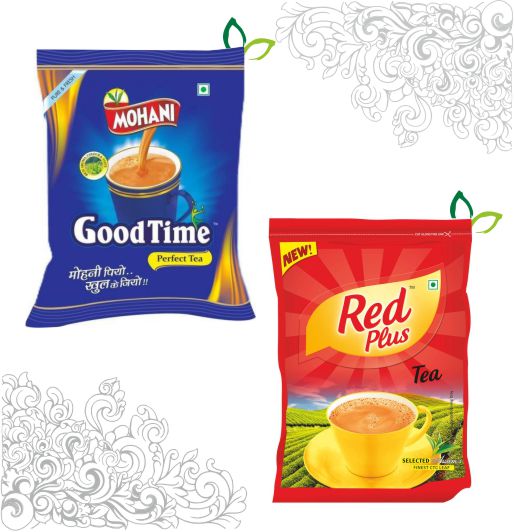
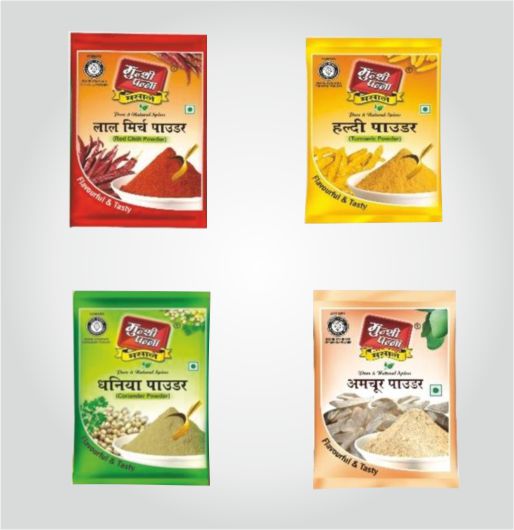
The consistent packaging design allows customers to immediately recognize brands across diverse platforms and different product lines. Repetition of exposure to similar design elements increases brand recognition.
As time passes, a strong and durable packaging is a distinct visual mark which differentiates the brand against its rivals.
It creates emotional connection
Designing packaging for your products tells a narrative. Through typography, colors, images, and copywriting, companies can convey their beliefs and personal style.
The emotional bond builds trust. The customers who feel strongly that they are connected to the brand tend to stick with that brand repeatedly.
It supports advertising and marketing
Packaging can be a powerful marketing device that extends beyond the shelves. People often post photos of attractive packaging via social networks, resulting in organic branding.
A well-designed packaging system also helps ensure the sameness across offline campaigns and online promotional events.
Increases the Strength of Positioning for Brand Positioning
Or whether a business is looking to present itself as stylish and affordable, environmentally friendly or even innovative packaging design plays the biggest role in strengthening the brand’s image.
An alignment of brand strategy and packaging designs ensures an unambiguous market differentiation.
The most important elements of a successful packaging Design
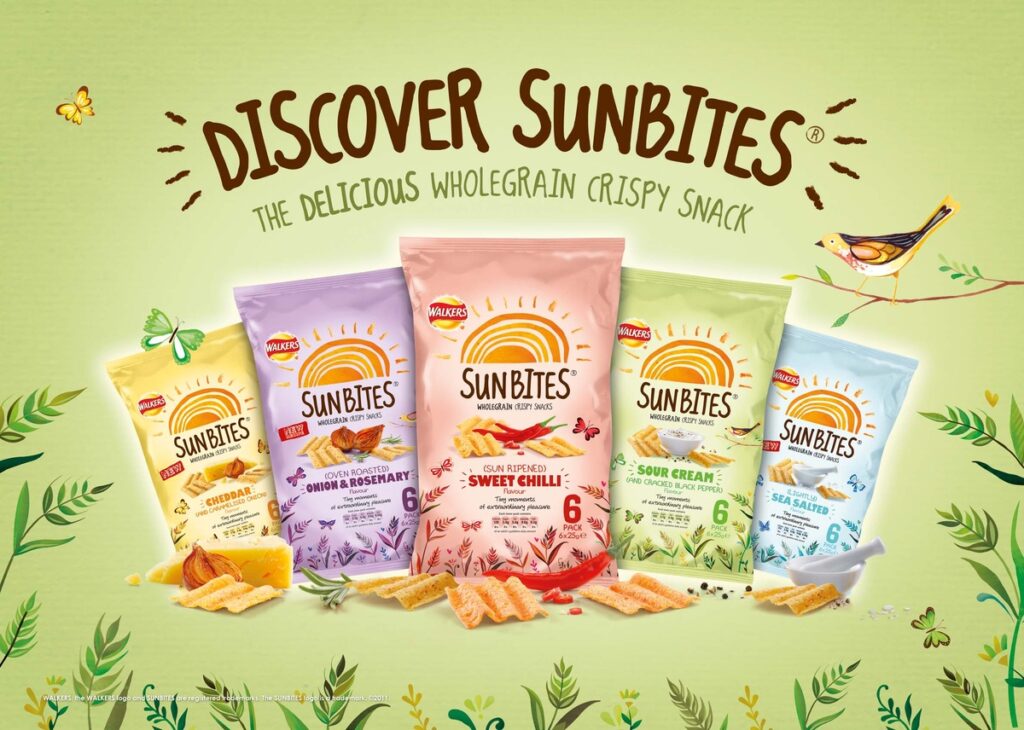
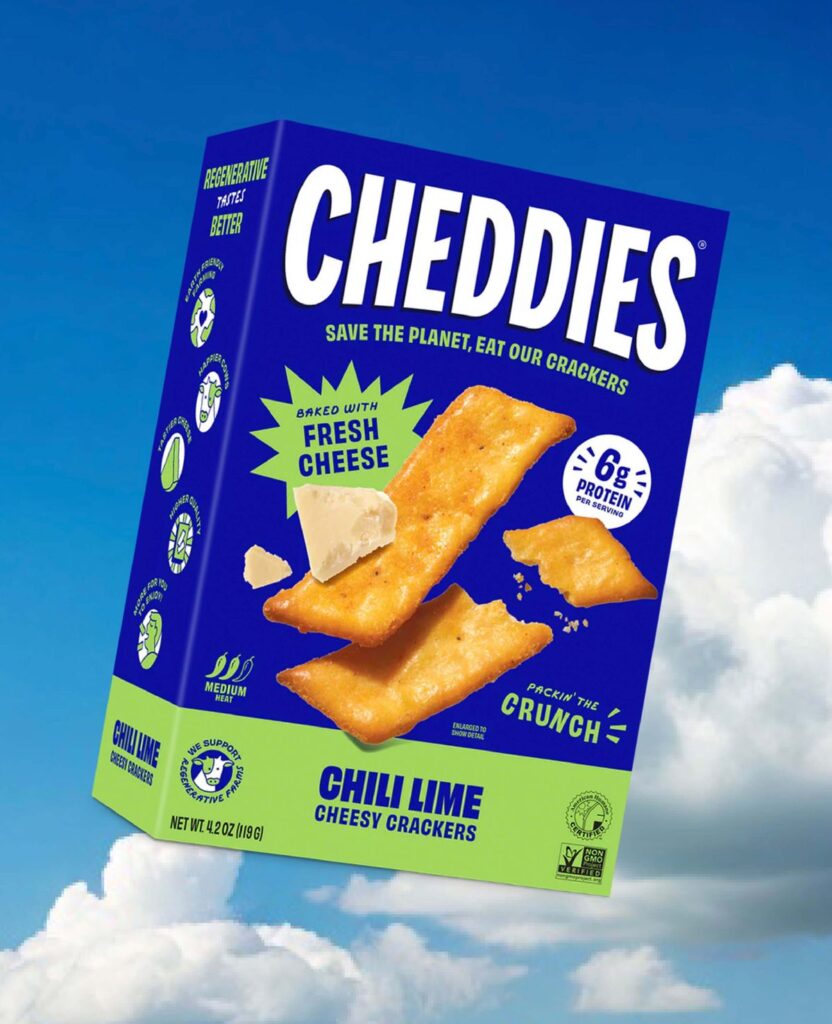
Color Psychology
Colors can affect behavior and emotions:
- Red increases appetite and boosts energy levels.
- Blue is a symbol of trust and security.
- Green symbolizes sustainability and good health
- Black represents luxury and elegance
- Yellow attracts attention and optimism
Selecting the appropriate color scheme helps to build brand image as well as the appeal to buyers.
Typeography and Readability
The way customers view fonts affects the way they perceive the voice of your company. Clear and easy-to-read fonts enhance the accessibility of your brand and increase professionalism.
Typography that is well-designed ensures the most important details stand out without obscuring the style.
Layouts and visual Hierarchies
An effective layout directs customers’ eyes. Name of the product, its benefits, and the most important selling points must be strategically placed to facilitate an easy comprehension.
Correct spacing and alignment enhance the clarity of your vision and improve balance.
The Material and Finish of the Choice
Materials and finishes used in packaging impact the sensory experience and perception. The matte finishes are luxurious, high-gloss finishes draw attention and environmentally friendly materials convey responsibility.
Materials also influence the durability of products and their protection.
Packaging design for retail vs. E-commerce
Retail Packaging
Packaging for retail is focused on the shelf’s appeal, a strong branding and immediate messaging. The visual impact plays an important factor in driving purchase.
Packaging for E-Commerce
The packaging for online stores is designed with durability in mind along with lightweight structures as well as the unboxing experience. The attractive packaging can increase the customer to share their experience and also encourages social sharing.
Brands need to adapt their strategy for packaging to suit the channels of sales.
Sustainable Packaging and Consumer Trust
The importance of sustainability has grown into a key purchase aspect. People are more inclined to buy companies that have environmentally friendly packaging, and also communicate their an environmental commitment.
Sustainable packaging design includes:
- Use of materials is minimal.
- Materials that are biodegradable and recycleable
- A clear sustainability message
- Honest brand communications
The use of eco-friendly packaging can boost brand image and builds long-term trust.
The most common mistakes in packaging design that Can Hurt sales
- The layouts are crowded
- Color contrast is poor.
- Branding inconsistent
- Printing of low-quality
- Confusion of information hierarchy
By avoiding these pitfalls, you can improve both customer satisfaction and the perception of brands.
The Business Benefits of Packaging Design strategically
In order to maximize their impact, brands need to consider packaging as a strategy investment.
The best practices are:
- Knowing the preferences of your target audience
- Testing multiple design concepts
- Stabilizing the sameness across SKUs
- The packaging is updated based on current market patterns
- Designing with professionals
Designing packaging that is strategic can help brands expand sustainably.
The Future of Design of Packaging Design
- Simple and minimal style
- Packaging that is innovative and includes QR codes
- Interactive and personalized packaging
- Materials that can be described as sustainable
- Story-driven packaging design
Continuous updates on fashions helps keep brands on top of their game and able to keep in the lead.
Conclusion
Designing packaging can play a significant impact on purchasing decision-making and creating lasting brand value. It creates first impressions that convey value, as well as establishes emotional connections with the customers. The design of a good package attracts interest, increases trust and improves the perception of high-quality.
Beyond the immediate impact on sales packaging design enhances branding, aids marketing initiatives, and increases brand loyalty. Companies that invest in a strategic design for packaging get a significant competitive advantage on both the retail and online markets.
Focusing on the psychology of the visual hierarchy, sustainability and the user experience, companies can turn packaging into an effective marketing instrument. Today, packaging doesn’t just have to be concerned with protecting the product, it is focused on creating memorable branding experiences that lead to expansion and growth.