
Visual communication is an essential part of modern marketing and branding. There are a variety of formats that can be utilized for both environmental and physical communication, billboard design as well as Poster designs remain among the most popular. Both serve the function to convey information visually, they are distinct in regards to size the audience’s interaction, method of design, and context application.
This article provides a comprehensive academic analysis of the designs for Posters and billboards with a focus on practical aesthetic, environmental, and visual aspects rather than on marketing performance or optimization methods.
Definition and Scope of Billboard Design
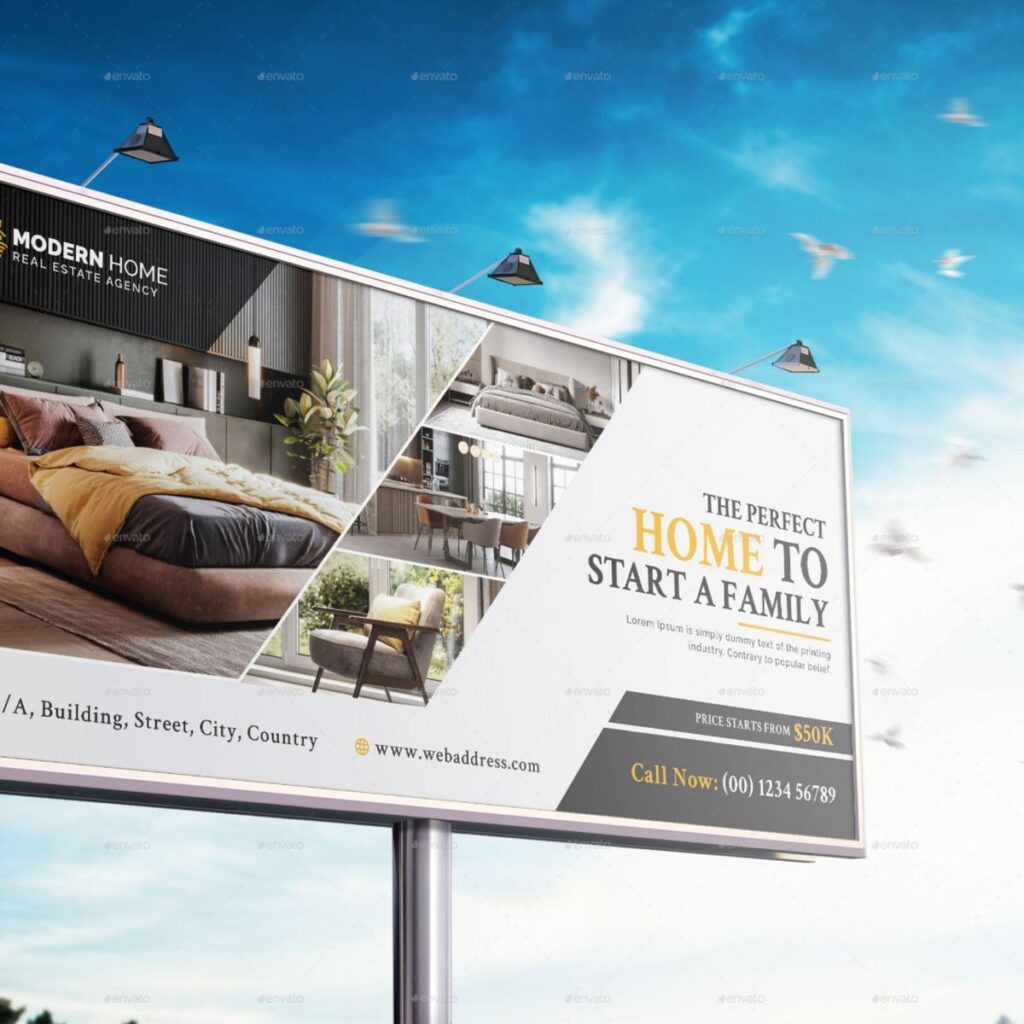
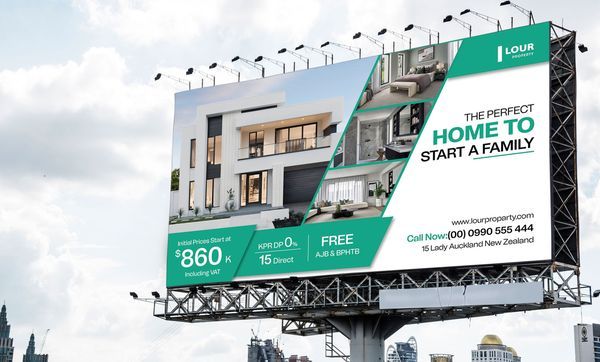
Billboard design is the design of large-format advertisements that are designed for use outdoors in areas with high traffic levels, like roads, highways roadways, as well as urban commercial areas. The most notable characteristic of design for billboards is their dependence on rapid visual perception since viewers usually are exposed to the information during motion.
Given the short time of viewing Billboard design emphasizes the visual and provides conceptual clarity. It is designed to be low in information density and each design element has to directly contribute to the message’s recognition. In the design, emphasis is given to the form, contrast and size, rather than a detailed description.
The most important characteristics of billboards comprise:
- Very large physical dimensions
- The contrast is high between the foreground and background elements
- A minimal amount of textual content
- A strong reliance on imagery or symbols
- A special emphasis on legibility when traveling far distances
Billboard designs are confined by the strict guidelines of design, which requires designers to convey meaning using reduced and precise instead of elaborate.
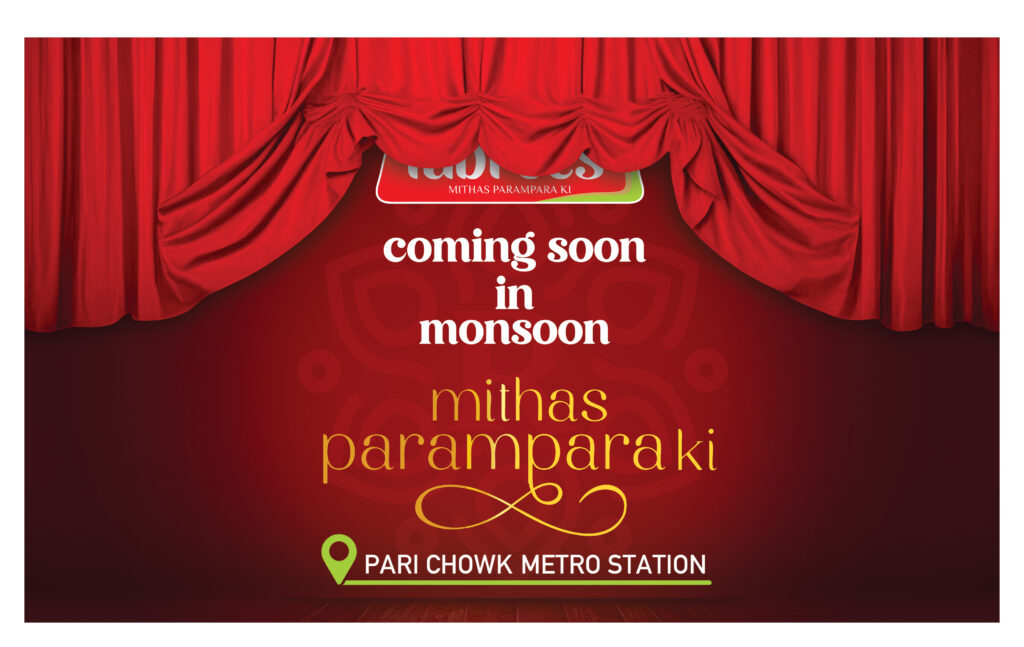

Definition and Scope of Poster Design
The design of Posters encompasses a broad selection of different formats for visual communication that are used both in outdoors and indoor settings. The majority of Posters are seen from short or medium distances. They typically are placed in areas that have viewers sitting still or slow moving in retail locations and exhibitions as well as places for public use.
Unlike billboards, Poster designs allow for greater informational depth. Designers are able to include content, branding as well as instructional material with the same clarity and readability. The design of Posters therefore facilitates the use of structured communications and is more efficient for the ability to read in a sequential fashion.
Poster design is used in a variety of ways. Examples are:
- Exhibition and event displays
- Signage for promotions and retail
- Informational or institutional communication
- Aids for navigation and orientation
Because Posters can be portable or temporary and mobile, the design of their Posters must be able to balance quality, durability, and the ability to adapt to different physical environments.


Differences in Scale and Viewing Distance
Scale is the primary differentiator between billboard and Posters. They are built for visibility from large distances that often exceed several hundred meters. On the other hand, Posters are made for instant or in-field view.
The difference is significant in designs. Billboard typography should be large as well as bold and simple and bold, whereas Poster fonts can be more subtle and smaller. Similar to billboards, the images are required to be clearly identifiable from a distance, while Posters are able to provide more visually appealing content.
The design implications of scale are:
- Weight and font size choice
- The level of detail and clarity in the images
- Spacing between elements
- Overall composition density
Inability to consider the size of the object can result in lower accessibility and less effective communications, especially in the case of designs that are adaptable over formats with no modifications.
Visual Complexity and Information Density
Billboard designs are characterized by an extreme level of visual efficiency. A large number of elements can reduce legibility as well as weaken the impact of communication. This is why billboards usually have only one main focal point accompanied by a limited amount of words.
Poster designs allow for more complex levels because of the longer time to engage. Designers may utilize the visual hierarchy of groups and alignment in order to lead viewers through multiple informational layers.
The typical elements of Posters could consist of:
- Headline and text in secondary
- Brand identification
- Illustrations or icons
- Informational content that supports the informational
But, the complexity of the system should be managed with care. Insufficient hierarchy or overcrowding may reduce clarity, and even make it difficult to appreciate the benefits offered by longer seeing distances.


Message Structure and Communication Style
The billboard style of communication design is mostly expressive and symbolic. Most messages are not complete due to design. They rely on images or sentences to trigger emotions or recognition rather than providing precise details.
In contrast, Poster design supports explicit communication. The message is designed to instruct, educate or instruct the user with a focus on contextual elements like dates, location and even instructions.
Comparison characteristics are:
Billboard Design
- Textual brief elements
- Reliance on visual metaphors is high.
- Instant recognition is needed
Poster Design
- Informational structure
- The clear sequencing of ideas
- Greater cognitive engagement
Every format requires a unique method of message design that is in line with the viewing environment.
Environmental and Contextual Factors
Environment conditions play a crucial influence on the efficacy of both Posters and billboard styles. They are subject to different temperatures, light conditions, and background noise needing a high contrast and toughness.
The design of Posters can be varied. Indoor Posters should take into account artificial light and physical constraints. Outdoor Posters should consider humidity, wind, and the patterns of human traffic.
The most important environmental concerns are:
- Light direction and intensity
- Background noise
- The movement of the Viewer and its position
- Materials reflectivity and the durability of materials
Designers need to anticipate these elements at the time of conceptualization for a consistent visual experience throughout different environments.
Production and Practical Constraints
From a manufacturing perspective the design of billboards requires significant materials and logistical issues. The large-scale printing, the structural support and installation demands result in higher prices as well as longer time to prepare.
A Poster design, however it is less expensive and flexible. The Posters are produced in a short time transporting them easily and can be reused over multiple locations or at events.
Practical differences include:
- The timeframe for production
- Material selection
- Installation complexity
- Reusability
This can affect how formats are selected based on the project’s length and scope.
Appropriate Use Cases
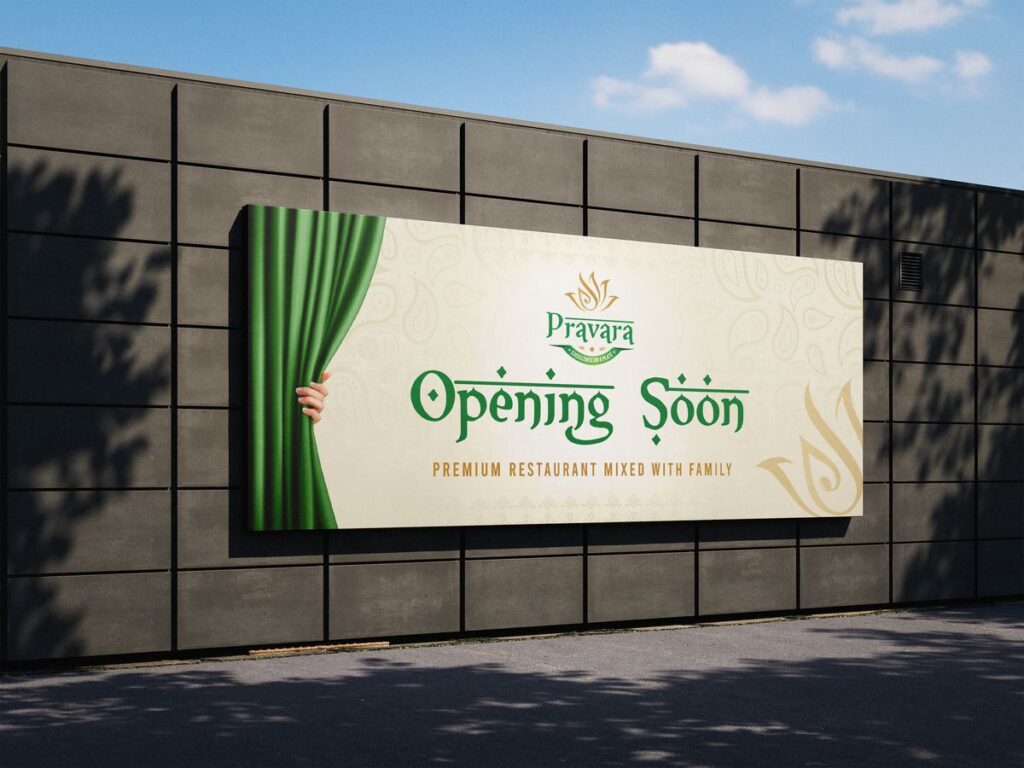
A billboard’s design is ideal for communication objectives that require the visibility of the message and its broad reach. The effectiveness of this design lies in the repetition and size as opposed to detailed message.
A Poster design works best to contextual and localized messaging that allows viewers to be engaged with content in a controlled manner and in close proximity.
The choice of format must be based on context the behavior of the audience, as well as informational needs, not on an aesthetic alone.

Frequently Asked Questions
What is the difference between designs for billboards and Posters?
The main difference is in view distance as well as time to engage. Billboards must be understood immediately and Posters permit longer-lasting interaction.
What design for a Poster can be scaled to fit on billboards?
Direct scaling can be ineffective. Each design requires an independent modification to ensure visibility and clarity.
What format allows for greater detail in communications?
Poster design allows greater informational depth because of the greater viewing distance and a longer time of involvement.
Are designs for billboards more creatively constrained?
Billboard design is more restricted by content, yet it requires more quality and clarity of concept.
Conclusion
Design and layout for Posters and billboards are distinct forms of communicating visually, which are influenced by physical dimension as well as the environmental conditions as well as the interaction with the public. The purpose of billboards is to highlight speed and impact to the viewers. Posters highlight the simplicity of their design in addition to their in depth informational.
Being aware of the distinct differences among the formats is vital to the success of your design. Instead of interpreting the different styles as interchangeable should be able to see each one as a distinct communication technique which is subject to the rules of each format and its specific restrictions.