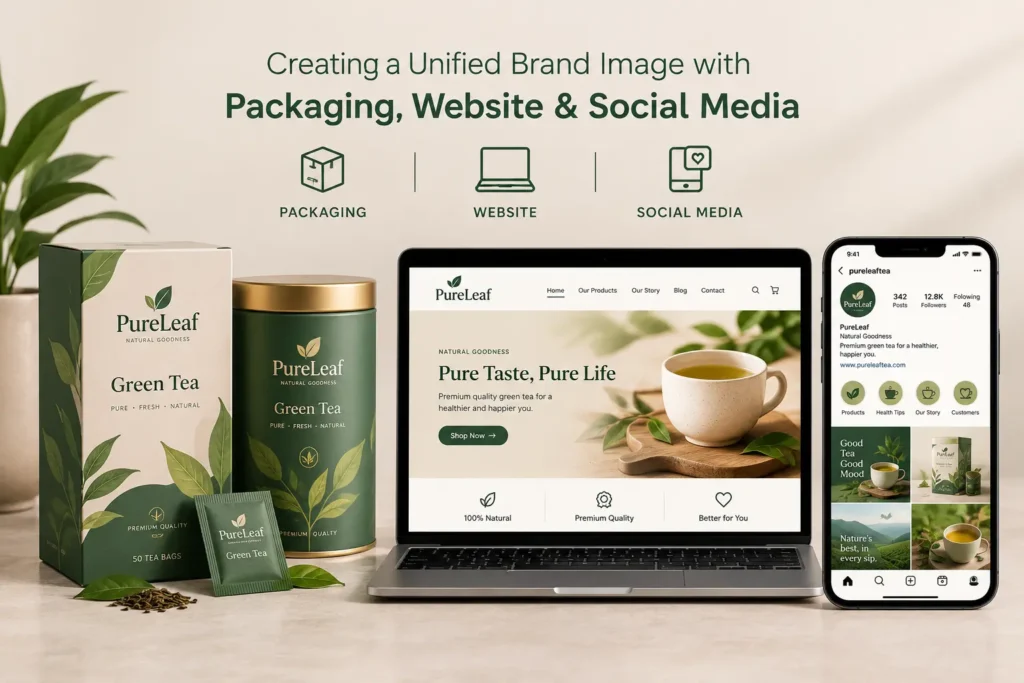
A successful brand has a clear and consistent identity, reflecting Brand identity design. Moreover, customers should feel they are interacting with the same brand when they see your product packaging. They should also have that feeling when they visit your website or explore your social media pages.
Brand identity design is more than just a logo or color selection. It is the visual and communication style of a business across the board, from packaging and website design to social media content, product imagery, and marketing collateral. When these elements work together, customers recognize your brand and build a stronger connection.
At Commad Design, we understand the need for businesses to maintain a consistent brand personality across different platforms. With the right branding, packaging design, and digital communication, companies can build a memorable brand experience that fosters long-term growth.
What Is Brand Identity and Why Is It Important?
A trademark is the set of visual elements, messaging, and design choices that represent your business. It tells customers who you are, what your brand represents, and how your products or services differ from the competition.
A strong Brand identity design includes your logo, color palette, typography, packaging style, website layout, social media graphics, tone of voice and photography style. Each element needs to be saying the same thing and showing the personality of your business.
A premium skincare brand may use soft colors, sophisticated typography, clean packaging and professional-looking product photography, for example. The website & social media content should have the same style for a premium and trustworthy image. If the packaging looks luxurious, but the website looks old, and the social media posts have different colors, it may be hard for the customers to understand what the brand really stands for.
The answer to this is consistency. It makes your business look professional, organized and reliable at every customer touchpoint.
1. Start with a Sharp Brand Strategy
Before you packaging design, build a website or create social media content, you need to understand your brand. A clear brand strategy acts as a compass for every design and marketing decision.
What is your target audience? What are your key products/services? What are your brand values? What is the message you want your customers to take away? Consider if your brand should be premium, friendly, modern, traditional, innovative or affordable.
Your brand positioning should be clear too. Think about what makes your business unique compared to your competitors and why customers should choose your products or services.
For example, a brand that sells traditional Indian spices may highlight authenticity, family traditions and rich flavors. Its packaging, website copy and social media campaigns can all incorporate familiar visuals and messages that embody these qualities. A modern technology brand, meanwhile, might prefer a clean design, simple language and a more minimal visual style.
Knowing your brand personality makes it easier for you to build a consistent identity across all platforms.
2. Design an Identifiable Logo and Color Scheme
Often, your logo and brand colors will be the first things your customers see. They enable people to identify your business and separate it from other brands in the marketplace.
Select a logo that is easily recognizable as your business and scalable to various sizes and formats. It should look good on product packaging, website headers, social media profile pictures, business cards and marketing materials. Don’t use different versions of your logo unless there’s a good reason.
Also, your color palette should be consistent. Pick a primary color, supporting colors and a few neutrals that work well together. Record the exact color values so your designers and marketing team can use the same colors across digital and print materials.
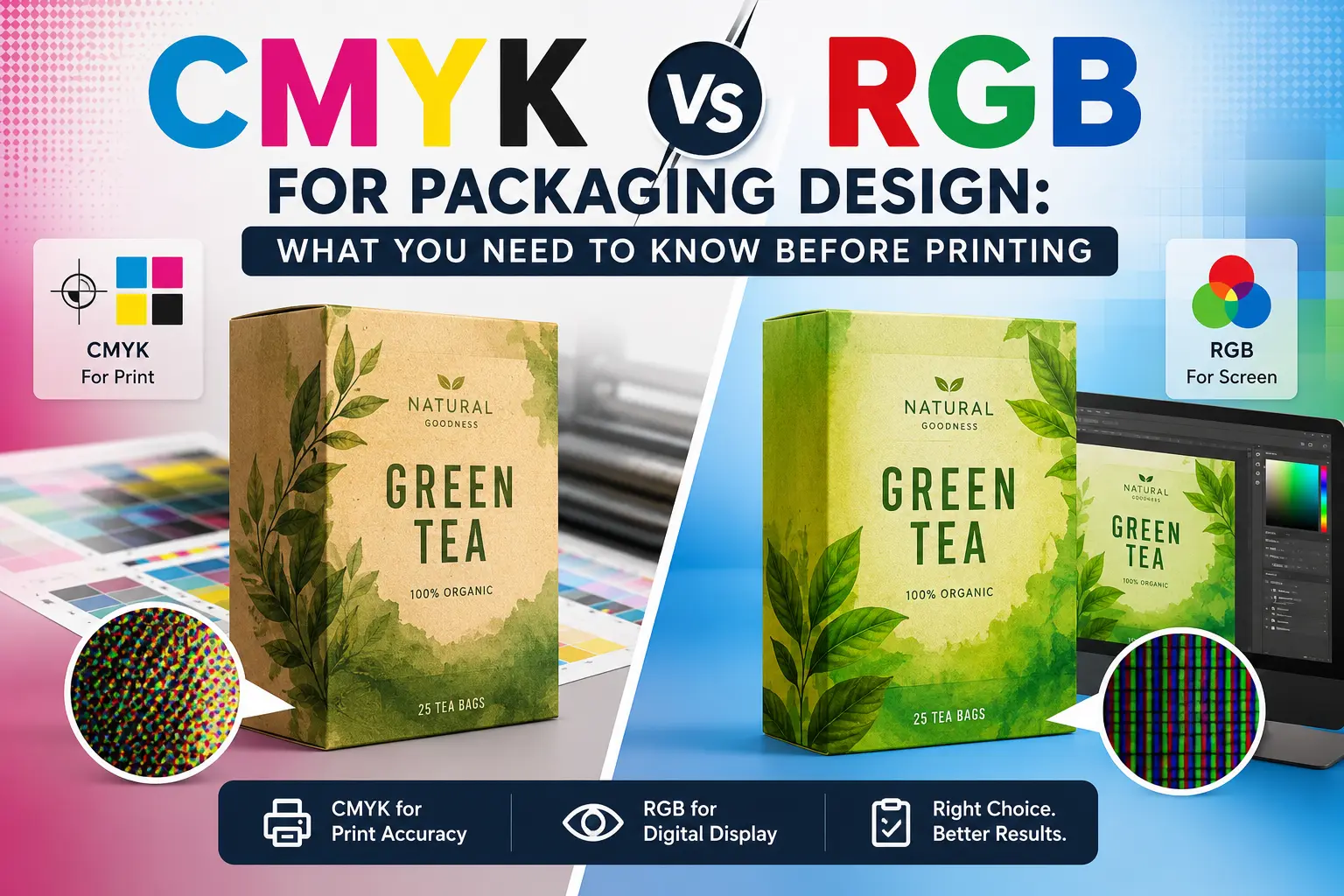
Please be aware that colors may differ on screen and printed packaging. CMYK is usually used in commercial printing and RGB values are often used in digital designs. Your team should check colors during the printing process to ensure that the final packaging is as close as possible to the approved brand design.
Consistent logo and color palette helps your customers recognize your business even when they only see part of your brand.
3. Stay Consistent with Packaging Design
Product packaging is one of the most important aspects of establishing a brand, especially for companies selling physical products. Whether they see it in the retail store or receive it after ordering it online, packaging is the first direct touchpoint with a product for customers.
Your packaging design needs to be an extension of the brand personality that your customers experience on your website and social media pages. Your logo placement, colors, typography, illustrations, product photography and overall visual style should feel connected to the rest of your brand.
For example, if your website is modern and minimal, your packaging should not suddenly have too many decorative elements, different colors or multiple font styles. Likewise, a heritage food brand should maintain the same authenticity in product labels, website banners, and social media creatives.
Consistency doesn’t mean every product package has to look exactly the same. Different products may require different colors or layouts to assist customers in identifying them. But the main elements of the brand should remain recognizable.
A well thought out product packaging design system helps your brand launch new products with a consistent identity. It also helps customers find your products on crowded retail shelves and in online marketplaces.
4. Make Sure Your Website Reflects Your Personal Brand
For potential customers, your website is often the first stop to learn about your business before they buy or reach out to your team. If the website doesn’t look like your packaging and social media content, it can dilute the overall brand experience.
Start by using your approved logo, color palette and typography throughout the website. Ensure the layout communicates your brand personality and keep the design clean. Your homepage, product pages, service pages, banners, buttons, and contact section should all feel like they are part of the same brand.
Images on website are equally important. Choose photos, illustrations and graphics that fit your overall visual direction. If you have premium product photography on your packaging, use the same quality and style of photography on your website.
Your written words should also be in your brand voice. A professional B2B company could use clear and informative language, while a lifestyle brand might communicate in a more friendly and conversational way. The tone may vary depending on the audience, but the core personality should remain the same.
Your website should also be mobile-friendly. Many customers find brands from social media on their phones and then visit their websites to see products or services. A responsive website that is user friendly is a positive experience on all fronts.
5. Make your social media content visually consistent
Social media allows brands to communicate with their customers on a regular basis. But if every post is using different colors, fonts, layouts and photography styles your profile can look disjointed.
To have a cohesive social media identity, you need a simple visual system for your posts, stories, reels covers, ads and promotional campaigns. You are able to develop few reusable templates for product highlights, customer reviews, educational posts, festival greetings, offers and announcements.
These templates need to have your brand colors, logo, typography and desired aesthetic. At the same time, it needs to be engaging and relevant to each platform.
For example, Instagram may require attractive reels and creative posts, while LinkedIn may require more professional graphics and informative content. You don’t have to publish the same content across all platforms. Instead, change the format to suit each platform, but retain the same brand personality.
Your tone of voice in your social media captions should be recognizable. If your brand speaks in a simple and friendly way, keep that in captions, comments and customer responses.
Consistent social media branding means that when customers are scrolling, they’ll recognize your posts, and when they visit your profile, it’ll look more professional.
6. Pick the right kind of fonts for each platform
Typography plays a big part in how customers perceive a brand. Fonts can give a business a modern, traditional, playful, premium or professional look.
Select one primary font for headings and a secondary font for body copy, if necessary. Apply these fonts to packaging, websites, social media creative, brochures and other marketing collateral.
But the same font may not work equally well in every situation. Small packaging labels require clear, readable text whereas website headings can afford more creative styling. Social media graphics also need to be readable on mobile screens.
The idea is to keep a recognizable typographic style without sacrificing legibility. Do not use too many unrelated fonts as this can make your brand look unorganized.
Your brand guidelines should specify the fonts to be used for headings, body text, product information, promotional messages, and other common design elements.
7. Create a Consistent Brand Voice
A brand’s identity is more than just visuals. The way your business communicates also impacts the perception and recall of customers.
Your brand voice is the language you use, the tone of your messages, how you describe your products, and how you respond to customers. Voice consistency makes your business feel familiar across packaging, web content, social media posts, ads and customer support.
Decide first whether your brand should come across as professional, friendly, informative, energetic, premium or approachable. Then write simple writing guidelines that describe how you like to use language and communicate.
For example, a company that sells healthy snacks may use light and positive language when talking about its products. Packaging, product descriptions, website banners and social media captions should all also communicate the same message, without making unsupported health claims.
You should also be consistent with product names, taglines, service descriptions and key brand messages. Repeating Key Messages Naturally helps customers understand what your brand offers and why it matters.
8. Use Consistent Visual Content & Photography
A brand’s perception can be greatly influenced by a picture. Two brands may offer similar products, but the quality and style of their images can create very different impressions.
Choose a photography style that supports your brand positioning. Think about the lighting, the background, the composition, props, colors and the style of image editing. These choices must be consistent across product packaging, websites, social media and digital ads.
For example, a premium dry-fruit brand might prefer neatly arranged products, elegant backgrounds, and detailed close-up shots. A young and energetic snack brand could use brighter colors, lifestyle photography and more dynamic compositions.
Consistency is especially important when customers see the same product on different platforms. The product appearance should be as accurate as possible, and the imagery should be representative of the actual packaging and product.
Employ professional photography and well thought-out creative assets to enable your brand to clearly showcase its products and maintain a tight visual identity.
9. How To Develop Brand Guidelines For Your Team
When a business grows, more people may get involved in the development of its packaging, website content, social media posts, advertisements and promotional materials. Without clear instructions, each person could interpret the brand differently.
A brand style guide (sometimes called a brand guideline document) is what ensures everyone uses the same standards. It should explain how to use your logo, brand colors, typography, imagery, tone of voice and layout styles correctly.
You may also want to include examples of correct and incorrect logo use, social media templates, packaging design rules, website elements and approved brand messages.
For businesses that sell multiple products, you should identify which elements should be consistent across all products and which can vary by product category. This gives flexibility but protects the whole identity.
A well organized brand guideline will save time, reduce repeated design work and make it easier to maintain consistency when working with in-house teams, freelancers, printing vendors and marketing agencies.
10. Rebranding Without Losing Recognition
A consistent brand personality doesn’t mean your designs can never change. Brands have to invent new products, respond to market trends, update websites, experiment with different social media formats.
The important thing is that you make these changes carefully. I will make sure that my core identity remains recognizable, while improving individual elements when there is a clear reason to do so.
For example, a business could change the layout of their website to make it more usable on mobile devices, while retaining their logo, colors, typography and brand voice. It might introduce a new packaging design for a product line, while keeping the same main logo and look and feel.
Before you make any major changes, think about how your existing customers will react. If you’re doing a total re-brand, refresh your packaging, website, social media and marketing materials in a coordinated process.
Regular brand reviews allow you to identify outdated elements and maintain relevance and professionalism without losing the recognition you’ve already earned.
Popular Brand Identification Mistakes to Avoid
It’s a common mistake to treat packaging, website design and social media as separate projects. When different teams work without common guidelines, the results may seem unrelated. You can avoid this problem by starting with a well-defined design system.
Another mistake is changing the brand colors, fonts or logo styles too often. Experimentation is good, but constant changes make it more difficult for customers to identify your business.
Images of low quality, inconsistent product descriptions and different taglines on different platforms can also weaken your identity. These may seem like small details, but they add up to the overall look and feel of how professional and trustworthy your business is.
Businesses should also not be too close to competitors. Your brand personality should reflect your own values, audience and market position. A unique identity helps your customers remember your brand, rather than confusing it with another business.
Finally, don’t just look at appearance. A strong identity has to be backed up by a good customer experience, accurate product information, useful website content and reliable communication.
How Commad Design Can Assist In Creating A Consistency Identity For A Brand
We need a unified approach to design and communication to maintain a cohesive brand personality. Your packaging, your website, and your social media should work together, not compete for attention.
Commad Design provides professional visual identity for businesses through packaging design, branding and digital creative solutions. Through the alignment of design elements across multiple customer touchpoints, businesses can more clearly present their products and create a recognizable brand presence.
A well-defined brand personality provides a strong foundation for your marketing efforts whether you’re launching a new product, updating existing packaging, improving your website, or planning a social media campaign.
The right design approach can help your business communicate its value, create a more professional impression, and provide a familiar experience wherever customers come into contact with your brand.
Looking to grow your reputation on packaging and digital platforms? Explore the services at Commad Design and develop a visual identity that works towards your business goals.
Conclusion
A consistent brand voice helps your business create a connected experience across packaging, website and social media. Your brand is easier to recognize and better understood when your visuals, messaging and customer communication are all aligned.
Start with a strong brand strategy, develop your visual guidelines and follow them across every platform. Periodically review your designs and change them as your business grows, carefully.
With a well-thought-out approach to Brand identity design, your business can stand out, effectively communicate its value, and establish lasting recognition in a competitive marketplace.
Professional packaging design, branding and digital creative solutions can help you incorporate these elements. At Commad Design
FAQs
1. What makes a consistent brand image?
A consistent brand personality uses recognizable visual elements and communication styles at all customer touchpoints. This includes your logo, colors, typography, packaging, website, social media content and the brand’s voice.
2. Why Is Brand Identification Important To A Business?
A trademark helps customers recognize your business, know what it stands for and distinguish it from competitors. A consistent identity can also help build trust in customers and create a more professional brand image.
3. How can packaging design help define a brand?
Packaging design communicates your brand personality through colors, typography, imagery, product information and layout. Consistent packaging makes your products recognizable by consumers and associates them with your business.
4. How do I keep my brand consistent across social media and my website?
Use consistent core brand colors, logo, typography, tone of voice, visual style across both platforms. Adapt content for each platform, create brand guidelines and reusable design templates.
5. What is included in a brand style guide?
A brand style guide should include rules around logo usage, color values, typography, imagery guidelines, tone of voice, design templates and examples of how the brand’s identity can be applied across packaging, websites and social media.
6. Can small businesses build a strong brand reputation?
Yeah. To develop a strong identity, small businesses should understand their target audience, select a clear visual style, maintain consistency in their messaging, and apply the same brand guidelines to their packaging and digital channels.
7. How can Commad Design assist with branding?
Commad Design provides packaging design, branding and digital creative solutions to help businesses create a professional and consistent brand experience across customer touchpoints.