Indian cooking relies heavily on spices. Turmeric, red chilli powder, garam masala or coriander powder, every spice adds a special taste and aroma to food. But good taste may not be enough to attract customers in a competitive market. The way a product looks on a store shelf or in an online marketplace is also an important factor in purchasing decisions. This is why spice packaging design is important to build a strong and recognisable brand.
Good packaging helps customers recognise a product, its quality and remember the brand. For spice manufacturers, retailers and new food businesses, investing in professional masala packaging design can help create a consistent brand image and help products stand out in a crowded market.
At Commad Design, we know packaging is more than a wrapper or container. It is an important part of brand communication, linking a product to its customers.
Why does spice packaging design matter?
Indian spice market has a lot to offer to customers, from traditional family brands to new premium products. Packaging can influence what product customers see first in a comparison of like products. A nice, clean design can say what the brand is before the customer even opens the package.
Professional spice packaging design gives businesses the chance to present their products in a more organised and attractive way. It combines colours, typography, product information, images and brand elements in a way that creates a consistent look across different spice varieties.
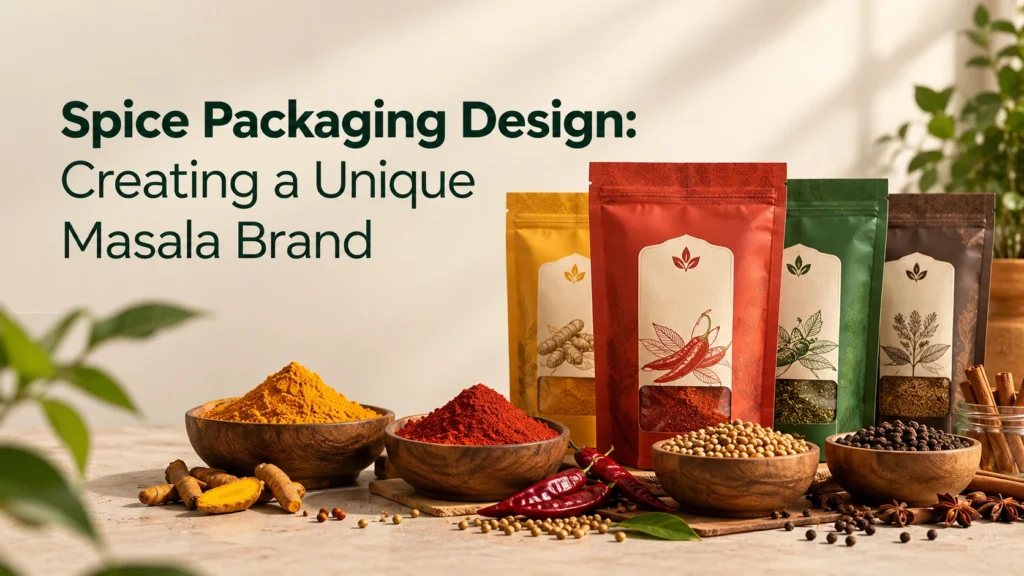
For example, if a brand sells turmeric powder, red chilli powder, cumin powder and garam masala, its packaging should look connected. Each product can have its own colour or visual element, but the same logo placement, typography style and overall design language can be maintained. This makes the products more recognisable when shown together.
1. Pick Colours That Match Your Spice Brand
One of the first things that customers notice about a package are the colours. In spice packaging, colours can be used to tell the consumer what the product is and create a clear visual identity. Yellow is often turmeric, red chilli powder and green coriander or herbs.
However, good masala packaging design is more than simply selecting a colour that complements the spice. Colours must also be aligned to the brand personality and target audience. A traditional Indian spice brand might opt for deep reds, yellows and earthy tones while a premium spice brand might go for a more minimal palette with elegant typography and subtle details.
Consistency is also important too. Planning a colour system for all products helps customers to recognise the brand even when the individual spice changes. The goal is to combine product identification with a strong brand look.
2. Design a Memorable Logo and Identity for the Brand
Packaging needs a logo so that consumers can tell which company the product comes from. When logos are too small, hard to read, or in an inconsistent place, customers may have a hard time recognising the brand.
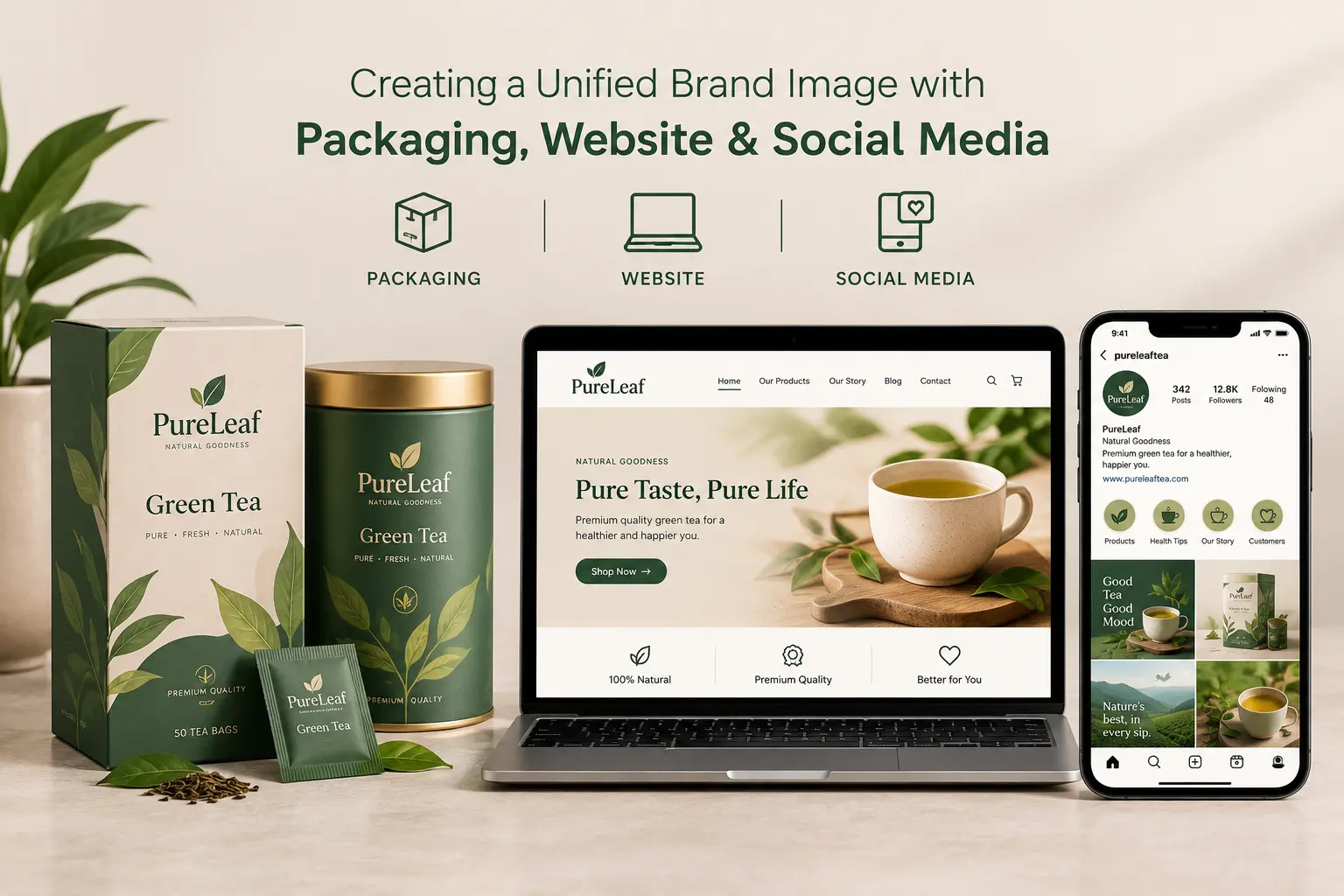
A good identity of a spice brand identity is made by a logo, the colours, the typography, graphic elements and the overall visual style. These elements should be the same on every product package, promo, website and social media creative.
For instance, a brand emphasising traditional recipes might utilise visual elements that draw from Indian culinary culture. A modern spice company looking to appeal to a younger consumer may prefer a cleaner, more contemporary look.
The key is to pick a style that represents your brand and remain consistent. Having an identity that people recognise helps to link a single product to the same company over time.
3. Choose the Correct Packaging Material
The packaging material also affects the product protection, convenience, appearance and cost. To protect their aroma, flavour and quality from moisture, air, light and contamination, spices need proper packaging. The right choice depends on the spice, the product format, the requirements of the shelf-life, the storage conditions and the distribution way.
Secondary packaging options: Flexible pouches, stand-up zippered pouches, plastic containers, glass jars and cartons are common. Both options have their advantages.
Flexible pouches are lightweight and inexpensive, and are a good option for many everyday products. Resealable packs can help customers store them more conveniently. Glass jars may be suitable for premium spice collections and cartons can help create an organised gift set or premium product presentation.
Professional spice packaging solutions need to look good and perform well. Businesses need to work with the right packaging suppliers to pick food contact materials and protective structures that meet the product’s needs.
4. Provide clear and readable product labelling
Customers should taste the spice immediately. The product name should be clear and prominent. Important information should be easy to find. If the package is too decorative or the text too small, the customers may not be able to understand the product.
Good design of spice labels design is a balance between aesthetics and legibility. Place the product name, net quantity, brand name, and other relevant information in a clear visual hierarchy. Ingredient information, allergen declarations where applicable, batch details, dates, storage instructions and other mandatory information as required by relevant regulations.
In the Indian market, spice companies must ensure that their packaging complies with the applicable FSSAI requirements and other relevant labelling and Legal Metrology rules. Requirements may vary depending on the product and how it is sold, so it is best to check the final artwork before printing.
Well-defined labels allow customers to make informed choices and support a professional brand image.
5. Use Product Photography and Graphics Wisely
Pictures and illustrations can be helpful in communicating what a spice product is. Used wisely, a picture of turmeric, chilli, coriander or a finished dish can make the packaging more engaging.
Graphics however should support the product, not overpower the brand name or key information. Too many images, decorative patterns or competing fonts in a package can look confusing.
Visual elements of regional food culture, traditional cooking and natural ingredients in Indian spice packaging design may work for some brands. The design must be appropriate to the product and must not mislead customers about the contents or quality.
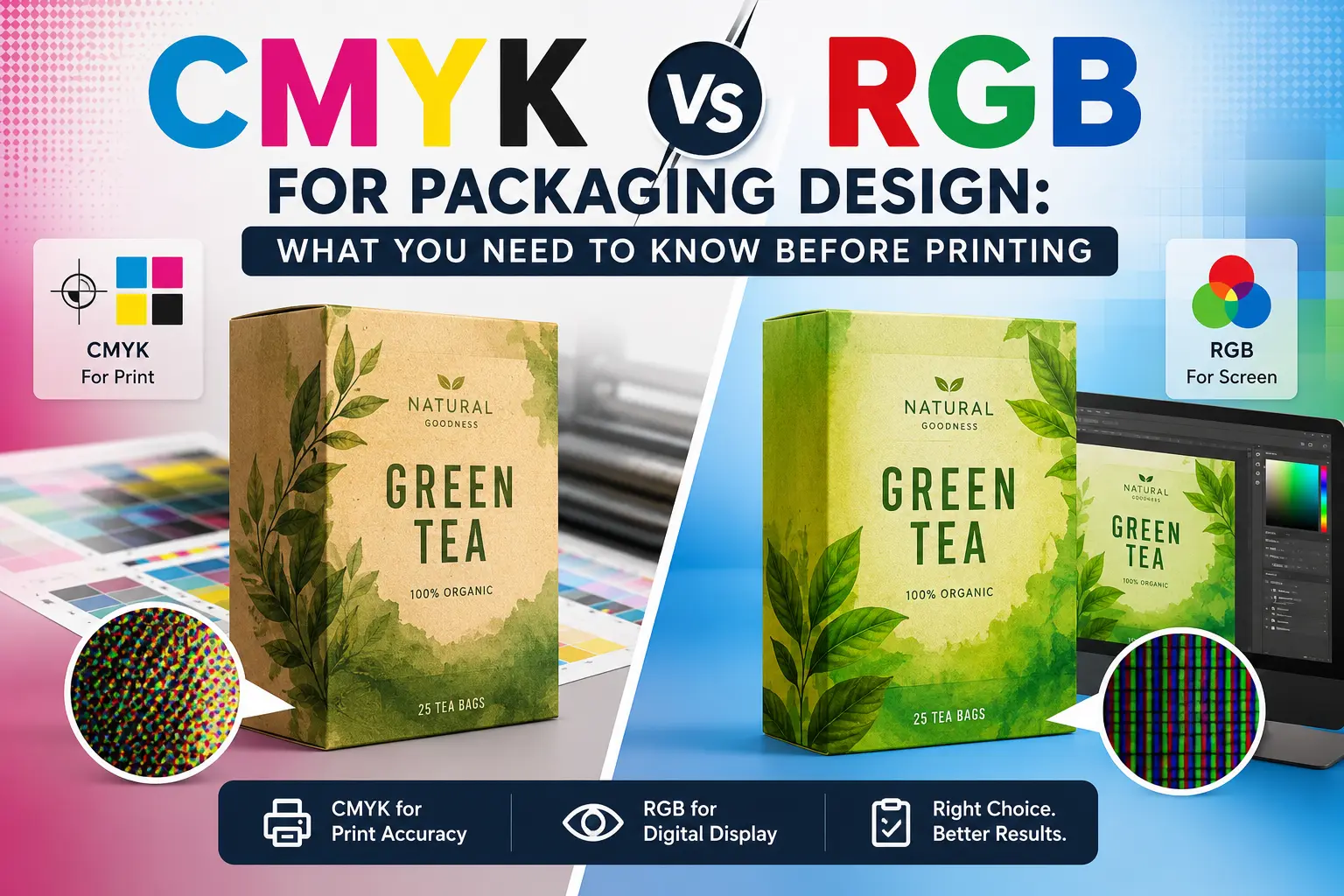
Product name, logo, and supporting graphics come together in a balanced layout. Professional artwork also needs to be properly prepared for printing so that colours, images and text are reproduced as intended.
6. Make Each Product Part of One Brand Family
Many spice companies offer a wide range of products: individual spices, blended masalas, seasoning mixes and local spice mixes. You should be able to tell each product apart easily, but they should all have a look that says they’re from the same brand.
A consistent masala brand packaging system can use the same logo position, font family, layout structure and graphic style across the whole product range. Turmeric powder and garam masala or chaat masala can be distinguished by individual colours or pictures.
It also makes the range look more professional and helps customers to identify related products. It also makes it easier for a business to make new products without having to make a totally different design every time.
Reusable packaging design systems can simplify future product launches for growing brands, and help them maintain a consistent look across different pack sizes.
7. Packaging design for retail and online shopping
Spice products are sold in supermarkets, local grocery shops, distributors, websites of brands and online marketplaces. The packaging has to function in all of these environments.
A package in a retail store must be recognisable from a distance and clearly distinguishable from competing goods. In an online marketplace, a customer may first see a product as a small image. Therefore, the brand name and product type must still be clear at small sizes.
Good packaging for a spice product will take into account these different viewing conditions. Designers need to see how the package will look on a physical shelf and in digital product listings. Important information should not be lost when viewing the image on a mobile screen.
Companies that sell through e-commerce also need to think about shipping requirements, the strength of the packaging and how the products will be displayed when they arrive to the customer.
8. Balance appealing design with packaging costs
Packaging costs are important, especially for brands that sell products in different price ranges. A design might look good on screen, but the final price can be influenced by the material, the printing process, the number of colours, the finishing methods, the size of the order and the packaging structure.
The good custom spice packaging design process begins with considering the budget available. Some products may warrant premium finishes like foil stamping, embossing or special coatings, but not all packages need them.
A clean layout, good use of colours, legible fonts and a memorable logo can help to make everyday spice products look professional without unnecessary complexities.
The best way is to choose design and production options that match the product’s price, target customer and business goals. You should look at samples and print proofs before you commit to a large production run.
9. Research sustainable packaging solutions
A lot of brands are looking at packaging materials and formats that can help reduce waste. When planning a new design, spice businesses can look at material use, pack size, recyclability and the availability of suitable packaging options.
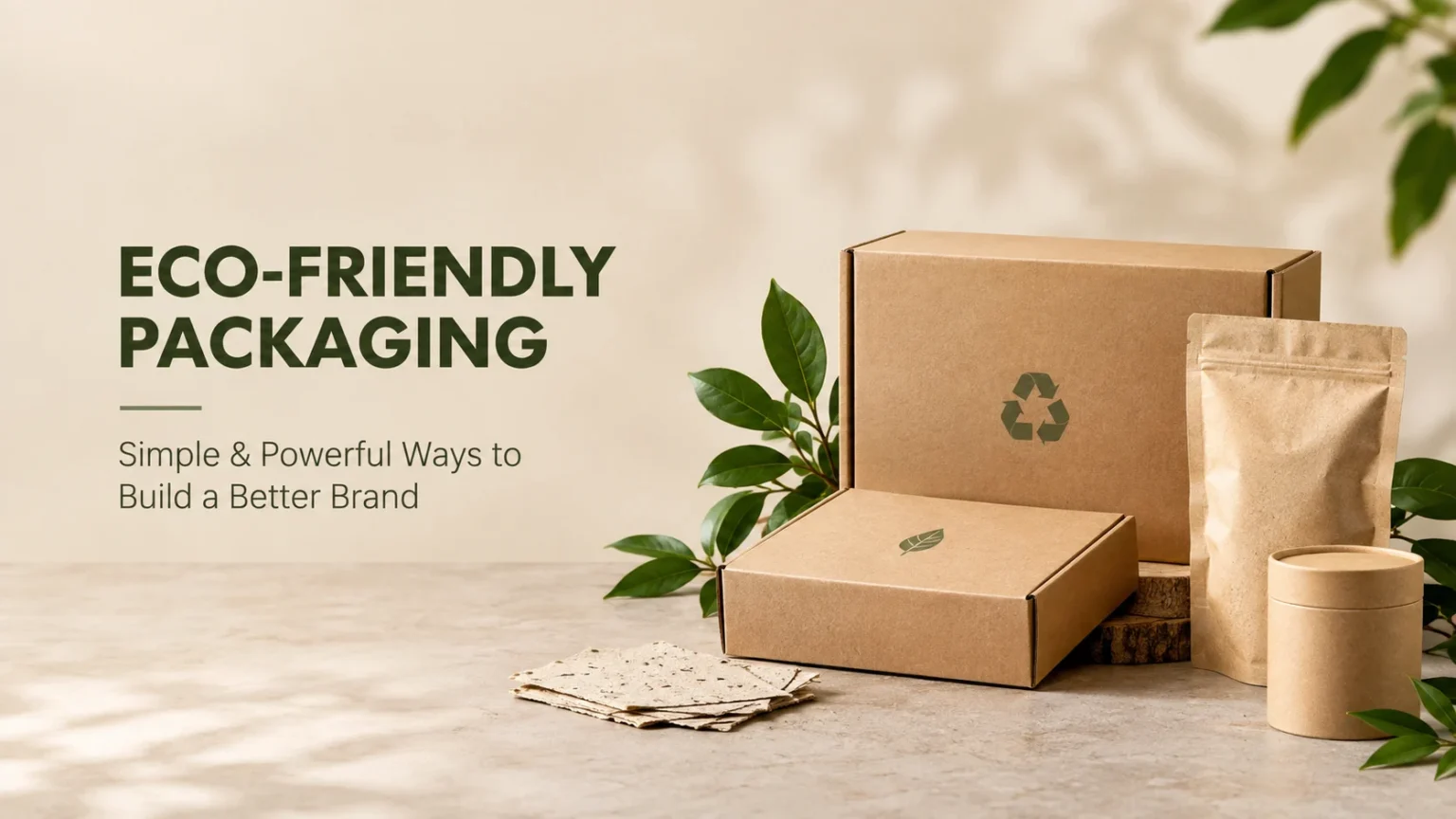
Eco-friendly spice packaging may contain recyclable materials or packaging structures that can help to minimise the use of unnecessary materials, depending on the local recycling facilities and product protection requirements.
But sustainability should not come at the expense of food safety or product quality. It’s not always the case that a material that is easier to recycle will provide the protection that a particular spice needs. Businesses must ensure barrier performance, food-contact suitability, sealing requirements, and disposal instructions when selecting a solution.
It is also important that environmental claims are clear and truthful. A package shall not be labelled as recyclable, compostable or biodegradable unless the claim is supported by the material properties and the relevant conditions.
10. Use a professional packaging design company
Creating effective packaging involves research and planning, visual design, technical artwork and coordination with packaging manufacturers. A professional design team can help bring all of these elements together and keep the brand’s identity and the customer’s needs in focus.
A packaging design company can assist a business in deciding on a visual direction, choosing appropriate colours and typography, creating packaging layouts and preparing artwork for production. It also promotes consistency between different product varieties and packaging sizes.
We at Commad Design think of packaging design as part of a larger branding strategy. The goal is to develop packaging that effectively communicates the product, represents the personality of the brand and is cohesive across various customer touchpoints.”
Whether it’s a new spice range or an update to existing packaging, a well-planned design process can help a business create a stronger, more professional presence in the market.
Conclusion
To build a recognisable masala brand, it starts with understanding the product, the customer and the market . Spice packaging design is about the right colours, a memorable trademark, the right materials, clear labels and a consistent visual system.
From the masala packaging design and spice label design to retail presentation and selection of sustainable materials, every decision should be aligned with the product and the brand’s long-term goals.
Packaging is a chance to communicate quality, create recognition and build a consistent brand experience for spice manufacturers and emerging food businesses. Commad Design can help you design the packaging for your brand with careful planning and professional design so that your product is represented clearly and leaves a lasting impression.
FAQs
1. What is the packaging design of spice?
Spice Packaging Design: Spice packaging design is the design of the outside of spice products. This consists of colours, typeface, branding, product information, graphics and the presentation of the package.
2. Why is masala packaging design important for a brand?
Masala packaging design is also important for customers to identify the product, understand the brand and differentiate one product from another. Consistent packaging helps to improve brand recognition and give a more professional look to your product range.
3. What are good packaging materials for spices?
Appropriate materials can be flexible pouches, resealable pouches, jars and other food-grade packaging structures. The best option depends on the moisture and oxygen protection, light sensitivity, shelf life of the product, storage and distribution requirements.
4. What can a spice brand do to make its packaging stand out?
A spice brand might have a recognisable logo, consistent colour system, clear typography, appropriate product imagery and an easy-to-read label. The design should be unique, but still communicate important product information.
5. What should be included in a spice package?
Depending on the product and applicable rules, packaging may need to carry the product name, ingredient list, net quantity, manufacturer details, batch information, dates, storage instructions, nutritional information, allergen declarations where applicable, and required regulatory declarations.
6. How can a new brand of masala compete with other brands through packaging design?
The consistent packing and professional identity of a spice brand can help a new brand communicate its positioning and to stand out visually. Product quality, pricing, distribution, trust between a company and its customers, and marketing also affect actual sales and long-term success.
7. Why should you choose Commad Design for your spice packaging design?
Commad Design provides packaging and branding expertise to help businesses create consistent visual identities and product packaging. For companies that need packaging concept discussions customised to their products, audience and goals, it has services to explore.