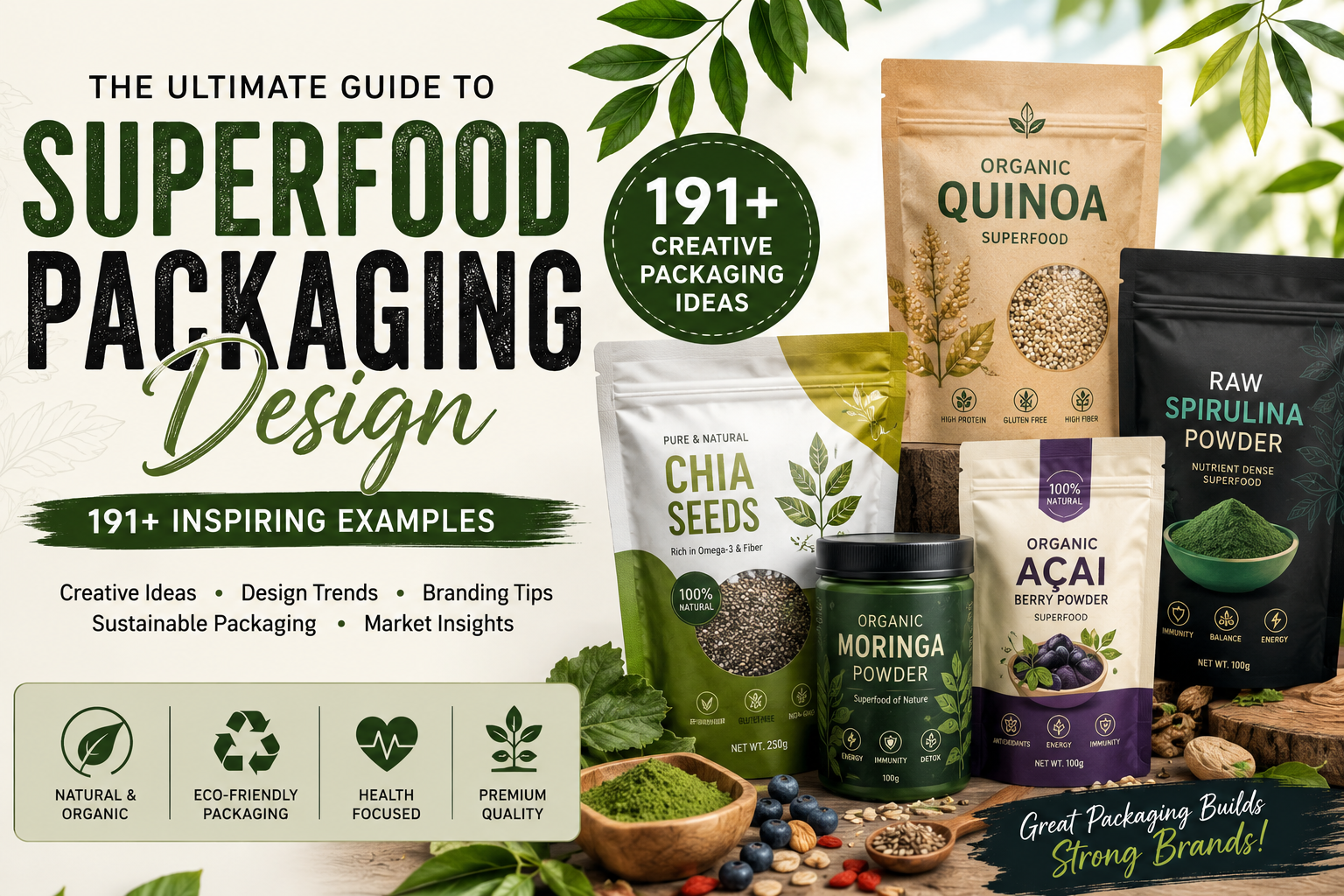
Packaging is among the primary things that consumers notice upon seeing a item. It safeguards the product, conveys the message of the company and has a significant impact on buying decision-making. Nowadays, consumers are looking beyond only attractive design. They’re also becoming cognizant of how their the products are packaged, and also how packaging is treated when they use it.
That’s why the use of eco-friendly packaging becomes increasingly crucial for businesses of the present. Food, drinks cosmetics, personal care retail, and many other sectors are looking at eco-friendly packaging options that minimize environmental impacts without sacrificing appearance, quality or function.
Environmentally friendly packaging isn’t only concerned with replacing plastic with a different substance. It is about making intelligent decision about production, materials designs, usability, the transportation process and finally, the disposal. If done properly, sustainable packaging design will help support sustainability and a stronger position of the brand.
In this document we’ll explore what “eco-friendly” packaging is and why it is important the materials that are typically utilized, what sustainable packaging options can help firms and the ways manufacturers can develop packaging that is appealing as well as environmentally sustainable.
What Is Eco Friendly Packaging?
Eco-friendly packaging is packaging created to be produced to be environmentally friendly. Its goal is to decrease the amount of waste produced, preserve resources and minimize the environmental effects of packaging during its lifetime.
Packaging that is traditional can be made of the use of materials and processes which generate substantial waste, or can be difficult to recycle. The eco-friendly options focus on eliminating the use of unnecessary materials by using recycled or renewable materials as well as making packaging more easy to recycle, reuse or securely get rid of.
The idea can encompass recycled packaging and biodegradable containers compostable packaging, recyclable packaging as well as packaging that is made of environmentally responsible products.
But, sustainability in packaging can not be defined by one product only. The design of a packaging should take into account all aspects of the item, starting from production and transport to consumption and eventual the disposal.
Why Is Eco Friendly Packaging Important for Modern Brands?
Packaging shares a close relationship to the environment since millions of goods are packaged and sold each day. If packaging designs are not taking into account the impact on the environment and impact on the environment, it could lead in the production of excessive waste as well as resource consumption.
In the case of businesses, using eco-friendly packaging is an integral aspect of their branding strategy.
Customers are increasingly aware of the decisions brands make. packaging that promotes sustainability could make a good first impression. It also shows that the business is looking beyond the item itself.
In the same way the use of sustainable packaging may assist brands to stand out in competitive markets. In the event that several brands offer comparable prices and quality, the packaging may become an essential aspect in the way customers view the company’s image.
This is what makes environmentally friendly packaging designs much more than just an environmental choice. It also can be a lucrative branding and marketing tool.
Benefits of Eco Friendly Packaging
One of the greatest benefits of green packaging is the potential to decrease the waste of packaging. Making use of recyclable, reuseable or compostable material can to reduce the amount of packaging which is discarded as waste over time.
The other benefit is the an improved perception of the brand. An environmentally-friendly packaging that is well designed is able to convey innovation, responsibility and innovative thinking. These attributes are particularly useful for brands that are targeting eco-conscious consumers.
Green packaging could also inspire firms to consider rethinking their packaging. Instead of using multiple layers solely for the sake of appearance the brands should concentrate on structures that are efficient and provide the protection they need while consuming less.
It is also possible to gain practical advantages. The lightweight packaging can reduce the amount of material used and transport requirements and compact packaging can increase the efficiency of storage and transport.
The most important thing is that sustainable packaging offers brands the chance to integrate their environmental values in their branding.
Popular Materials Used in Sustainable Packaging
The selection of the best material is among the main aspects of designing sustainable packaging. The most suitable material will depend on the type of product, protection needed as well as budget, shelf-life and options for disposal.
Recycled Paper and Cardboard
The use of cardboard and paper is widely employed for packaging that is sustainable because they can be used for a variety of purposes and typically be reused. These materials can be utilized as cartons, product boxes as sleeves, packaging materials, labels as well as shipping containers.
By utilizing a an eye for designing packaging papers are also able to create an elegant look. A variety of finishes, textures and printing methods can assist businesses create distinct designs without depending in large part on packaging made of plastic.
Kraft Packaging
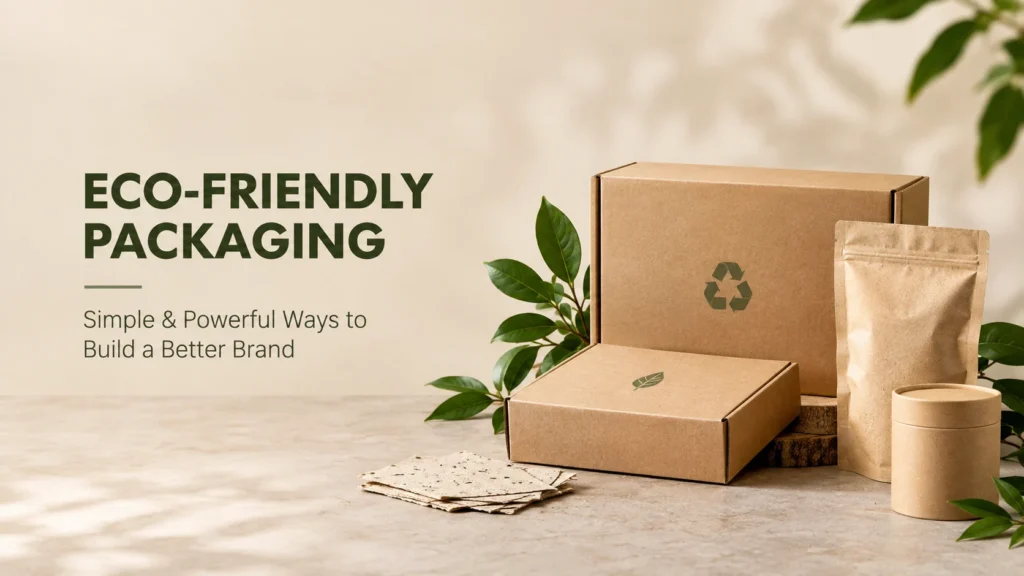
Kraft paper has gained popularity with brands seeking an organic and sustainable style. Its earthy design can signal simpleness, authenticity, and sustainable practices.
Packaging made from Kraft is typically employed by food manufacturers Organic products, hand-crafted firms, cosmetics manufacturers as well as lifestyle brand names.
It is essential to consider the design method but. The mere use of kraft paper will necessarily make the package 100% eco-friendly. The source of the material as well as coatings, inks and coatings alternatives for adhesives, and even end-of-life solutions must be considered.
Recyclable Packaging
Packaging that is recyclable is designed to ensure it can be recycled, processed and reused.
Utilizing recyclable materials could assist in decreasing the need for virgin resources as well as help to promote a circular method of packaging. Simple material selections and clear packaging design can help simplify recycling for customers.
Biodegradable and Compostable Packaging
Packaging that is biodegradable is made to naturally break down under the right environment conditions. The compostable packaging takes it a step further, being constructed to breakdown into compost when composting conditions.
They are useful in certain situations, however business owners should be aware of the differences between compostable, biodegradable, and recyclable substances prior to choosing the appropriate one.
Labels on packaging should be precise and clear so that the customers don’t get confused about what should happen to the package. taken away.
The Role of Eco Friendly Packaging Design
Materials make up only a small portion of eco-friendly packaging. Design of eco-friendly packaging has a crucial part.
A good packaging design is focused on the use of the correct amount of material, while ensuring aesthetics and protection for the product. In excess packaging can result in garbage, and bad packaging may cause damaged goods as well as additional environmental cost.
An effective sustainable design must be able to balance the aesthetics, functional and considerations for the environment.
As an example, a packaging designer might simplify the design, eliminate unnecessary layers, optimize sizes or pick material that is easier to reuse.
The visual design is also important. Colors, typography, images as well as messaging and photography will convey sustainability while not creating a generic appearance for the packaging.
Professional sustainable design for packaging must create a pleasing product as well as clearly describing what it is that makes the packaging eco-friendly.
How Eco Friendly Packaging Can Strengthen Brand Identity
Packaging is frequently described as a “silent salesperson” as it interacts with its customers prior to them engaging with the product.
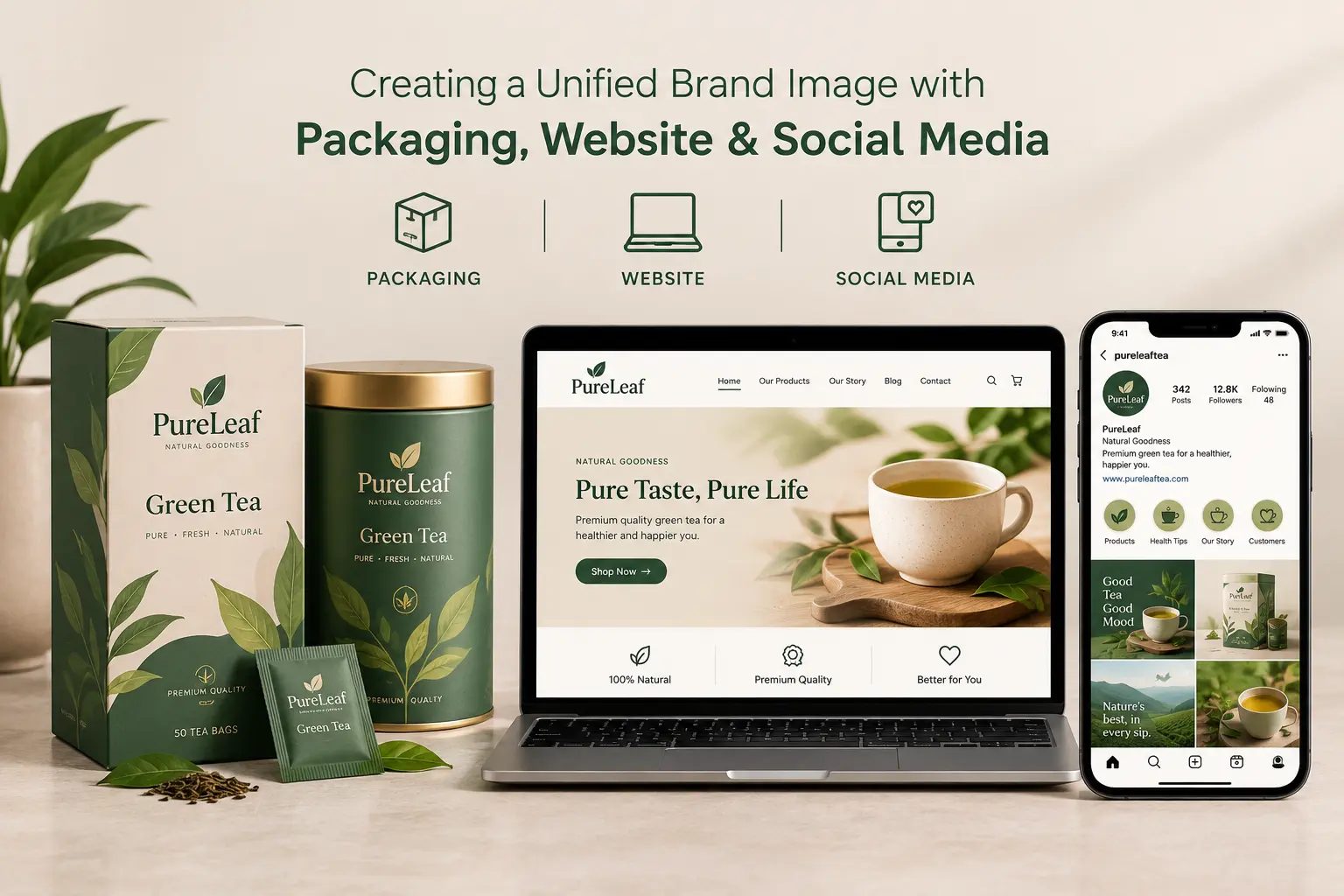
An environmentally friendly approach to packaging could make a mark on branding. Simple materials, natural colors as well as responsible messages and architectural design could establish a common visual style.
As an example, a cosmetics brand might use minimalist recycled packaging to convey ethical and clean values. Food companies may employ papers for packaging as well as natural elements in order to establish a unique position.
It’s all about consistency.
If sustainability is a key element of the branding pledge, then packaging should reflect the message, rather than including words like “green” or “natural.”
It is the reason why many businesses partner in conjunction with a professional packaging design business in order to design eco-friendly packaging that blends environmental aspects with the power of branding.
Eco Friendly Packaging for Different Industries
Different industries have their own specifications for packaging.
Food manufacturers require packaging that preserves the freshness of their products, ensures quality and is compliant with food contact requirements. While doing so they could also consider recycling cardboard, recycled paper and compostable materials, as well as various other materials that are suitable.
Brands that sell cosmetics and skincare emphasize their premium design. The most sustainable packaging could combine sophisticated designs, simple layouts and well-chosen ingredients to deliver a high-end user experience.
The packaging for beverages must be able to meet the demands of durability as well as transportation needs and the protection of the product. Green alternatives could be made up of recyclable products or structures that are lightweight based on the brand.
Retailers can also make use of environmentally friendly bags, containers labels and packaging materials for a better user experience.
The product should be chosen according to the real requirements of the product, instead of simply observing an established fashion.
How to Create Effective Eco Friendly Packaging
The process of creating efficient sustainable packaging starts with knowing the products and their customers.
Prior to anything else, it should be functional. The packaging must safeguard the product during the process of storage, transport and usage. The sustainability of a product shouldn’t come with the price of safety or the quality of the product.
Another consideration is selecting the appropriate material. Companies should research what the source of the material is and how it was made and if it is able to be recycled or reused, and the process after disposing of it.
It is also recommended that the structure of packaging be re-examined. An easier structure will often cut down on material usage and also simplify recycling.
The identity’s visual style should be able to convey the company’s message. The packaging that is sustainable doesn’t have to be boring or dull. A strong typography, clever designs, striking images and top-quality finishes are able to produce a beautiful package and still maintain a responsible aesthetic.
Last but not least, brands must promote the sustainability message in a transparent manner. Information that is clear about the materials used such as recycling and disposal could assist customers to make more informed decisions.
Eco Friendly Packaging Trends for Modern Brands
Packaging’s future is moving towards more sustainable options for materials, simpler packaging and better design.
Simple packaging design is becoming more and more relevant due to its focus on the most important details and eliminates the need for the needless structural and visual components.
A further important trend is the use of reusable packaging especially for items that allow customers to use the containers again or refill them.
Brands are also looking at alternative materials made from recycled paper, alternatives to paper as well as innovative fiber materials. In the meantime packaging designers are looking for ways to design high-end experiences with minimal consumption of material.
Digital printing and personalization can also help some companies make packaging in less quantities and reduce stock and wasting.
The overall trend is evident that sustainability is now a part of the overall strategy for packaging and not an extra consideration.
Common Mistakes to Avoid in Sustainable Packaging
The most common error is thinking that natural-looking packaging can be considered environmentally sustainable. Green colours, brown paper and leaf designs may convey sustainable design visually, however the real materials used in production procedures are much more crucial.
Another error is to use complicated combination of materials which can be difficult to separate and reuse.
The brands should be cautious about making statements about the environment that are not supported by evidence. The claims made about biodegradability, recycling or compostability must accurately represent the nature of the product and the requirements for its disposal.
In the end, sustainability shouldn’t entirely replace the functionality. Packaging must still be able to safeguard the product and communicate important details and offer a positive user experience.
Why Businesses Should Invest in Sustainable Packaging Design
The industry of packaging is evolving because environmental consciousness is becoming an increasingly important aspect of consumers’ making.
Businesses that invest in environmentally sustainable packaging options could help to create an image of a brand that is more appealing and promote more sustainable consumption of natural resources.
A well-designed packaging design can help create a brand’s image in the store. Packaging that is appealing can communicate what the company’s values are.
If sustainability is incorporated in packaging right from the start business can develop packaging that is attractive, functional and in line with current requirements.
Instead of viewing sustainability as a problem Brands can look at this as an opportunity reconsider how their goods are presented and perceived.
Conclusion
eco-friendly packaging is fast becoming a crucial aspect of contemporary branding and the development of new products. From recycled cardboard and Kraft paper, to recyclable and compostable alternatives, organizations can now choose a sustainable packaging option.
But, sustainable packaging is more than just choosing the right product. It is about considering the entire process of packaging, eliminating wasteful materials, increasing the functionality of packaging and designing a style that reflects the values of the brand.
Businesses that wish to establish a contemporary and sustainable image, eco friendly packaging design is a potent blend of functionality, sustainability and storytelling.
With expectations of customers continuing to shift, companies which incorporate sustainability in their strategy for packaging can make greater connections with customers, as they move towards a more environmentally responsible the future.
Frequently Asked Questions
What exactly is sustainable packaging?
Eco-friendly packaging is packaging that has been designed to minimize environmental impacts with responsible selection of materials effective design, less disposal, recyclability, reuseability or compostable, biodegradable alternatives.
What are the materials used to make green packaging?
The most common materials are recycled paper such as cardboard, kraft papers recycled materials that can be reused and reusable, as well as certain organic or compostable material. The most appropriate choice depends on the type of product you are using and your specifications for packaging.
Are eco-friendly packaging options more beneficial for brands?
When implemented in a proper manner, sustainable packaging will help build a more powerful brand image, separate products from each other and promote responsible business practices. Additionally, it can help companies cut down on wasteful packaging.
What’s the distinction between biodegradable and recyclable packaging?
Recycling packaging could be collected to be processed and transformed into other material, whereas Biodegradable packaging is made to degrade naturally in appropriate conditions. These aren’t the identical, and the specifications for disposing of them can be different.
Are kraft papers considered to be environmentally sustainable packaging?
Kraft paper is environmentally sustainable packaging options Particularly when it’s properly sourced and designed for proper recycling or disposal. But, all aspects of the packaging design, which includes coatings and other parts are to be considered.
Do eco-friendly containers appear stylish?
Absolutely. eco-friendly packaging designs is able to use high-quality designs, innovative typography and sophisticated layouts, as well as designs and textures to make a stunning appearance, with a mindful way of packaging.
What can sustainable packaging do to help in the branding process?
The use of sustainable packaging is a way to communicate the values of integrity, honesty and creativity. If the design of the packaging matches the branding identity of the company this can lead to better recognition and provide a satisfying user experience.
Does eco-friendly packaging cost pricey?
Costs vary based on materials, the structure, production quantities, printing specifications and the supplier. Sustainable options can have more expensive materials, while effective packaging designs can cut transportation costs and materials.
What are the reasons businesses should work with a company that designs packaging?
Professional packaging design firm can assist businesses in balancing the use of materials, their functionality, identity and visuals needs for printing, and environmental targets. It can lead to packaging that’s both appealing as well as practical.
What’s the future for environmentally friendly packaging?
Future trends are likely to be focused on a more effective packaging structure that are made of recycled and renewable materials, reused systems that are more recyclable and designed that minimize trash. Sustainability is now becoming a increasingly integral part of the overall brand strategy.