Introduction
Great food is not enough in today’s competitive industry. Restaurant branding and branding design are crucial in attracting customers. They want to be drawn by emotions, stories, and experiences. Branding shapes a client’s expectations and perception from the first time they see your restaurant on Google Maps, Instagram, or the packaging or menu.
Branding is more than just a logo and a palette of colors. The complete identity is how your restaurant looks, sounds and feels. The branding design transforms your concept, food, values and personality into visuals and verbal components that are instantly recognizable and remembered by customers. A strong brand strategy will help you to stand out from the crowd, whether you’re launching a QSR, cloud kitchen or fine dining restaurant.
This restaurant branding guide will help you understand what branding is, how it affects sales, customer loyalty and trust. This guide was created for restaurateurs, designers, and marketers who are looking to create a brand that is memorable, connects with their customers emotionally, and generates sales.
This blog will help you understand key elements of restaurant branding. You’ll also learn how to design a logo that is not only beautiful but also drives growth over time.
What is Restaurant Branding and How Does It Work?
The process of creating an identity that is unique and consistent for a particular restaurant, known as “restaurant branding”, involves a strategic approach. This is how customers perceive your restaurant. It includes the brand story, your positioning, voice and visual identity, as well as customer experience.
Branding your restaurant is important.
- What is your brand identity?
- What type of experience can you provide?
- Why choose you instead of your competitors?
If done right, branding can build familiarity and confidence. Even before they taste the food, customers feel comfortable choosing brands that are familiar and emotional to them.
What is Branding in Restaurants Design?
The visual representation of the brand strategy for your restaurant is called branding design. This transforms abstract concepts, such as authenticity, luxury or comfort into tangible elements. Branding Design and restaurant branding intersect.
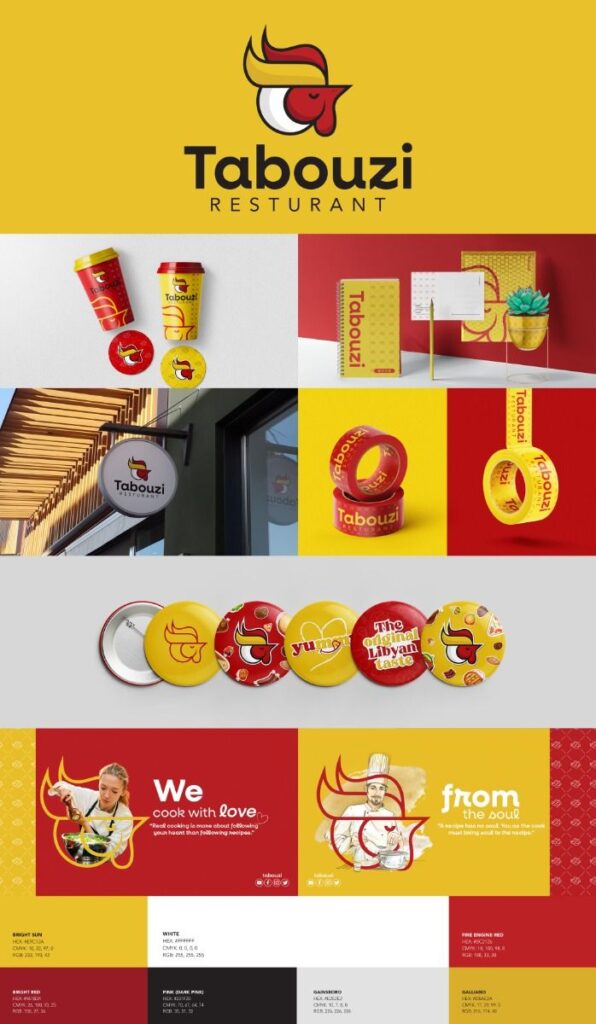
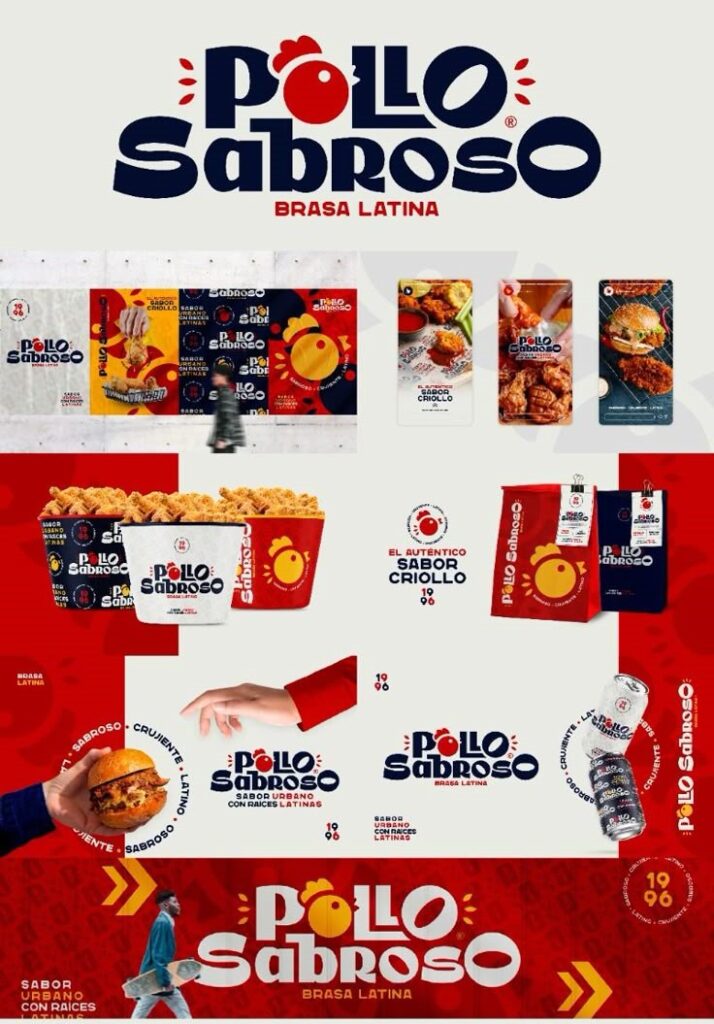
The design of a brand typically includes the following:
- Logo design
- Color palette
- Typography
- Menu design
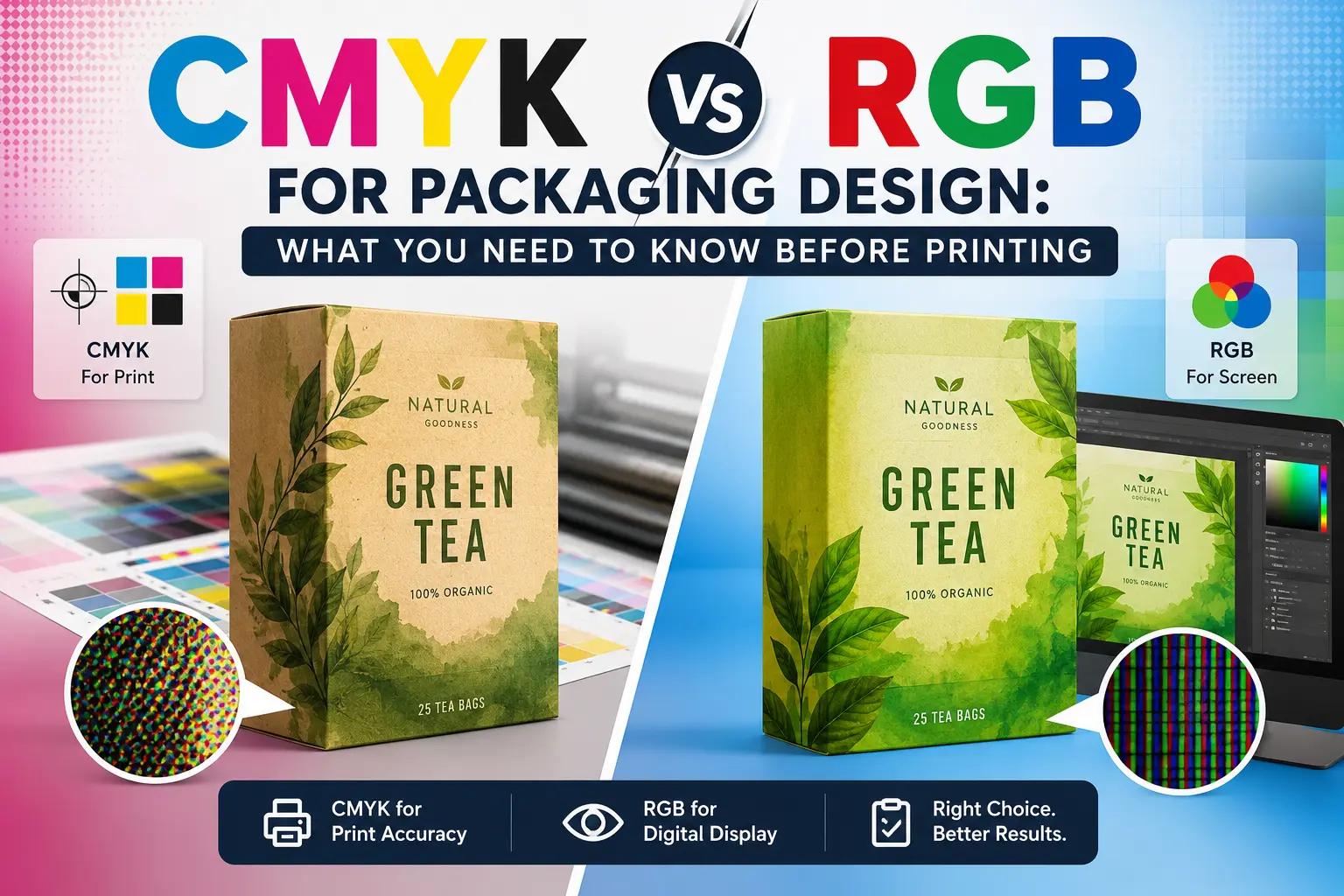
- Packaging design
- Designing the interior and exterior
- Visuals for social media
- Digital assets and Websites
Each design element must work in harmony to create a coherent story. Uncoordinated branding confuses consumers and reduces recall. Cohesive design, on the other hand, builds brand recognition.
What is the importance of restaurant branding?
- Make a strong first impression
Branding is the first thing a client sees when they visit your restaurant. Professional logos, well-designed food menus, and a cohesive social media presence communicate instant quality and credibility.
- What makes you different from your competitors?
Branding helps your restaurant stand out in cities with many restaurants serving similar food. Branding determines whether customers will remember two restaurants that serve similar food.
- Building Emotional Connectivity
Experiences are what people buy, not just food. By telling an emotional story, you can connect with your customers.
- Customers Loyalty Increased
Branding consistency in restaurants builds familiarity. Brands that are familiar feel trusted, which encourages repeat business and word of mouth marketing.
The Core Elements for Restaurant Branding and Branding Design
- Brand Positioning & Strategy
Define your brand strategy before you start designing. Included in this are your brand personality, target audience, pricing, type of cuisine, and price position. Luxury fine-dining brands will communicate and look very different from casual street food brands.
- Logo Design
It is your face. Your logo should be memorable, simple, scaleable, and pertinent to your restaurant concept. Logos that work across all platforms, including menus, packaging, signs, and digital, are the best.
- Color Palette
Colors evoke emotions. Colors that are warm, like orange and red, stimulate the appetite. Neutral or darker tones give off an air of sophistication and elegance. Pick a color palette that matches your restaurant personality.
- Typography
The use of typography in brand design is not only subtle, but also powerful. Typography should be readable and enhance your brand’s tone, whether it is modern serif, classic handwritten or a combination of both.
Restaurant Branding: Menu Design is the Heart of Restaurant Branding
The menu design is a key branding element. Menu design is more than just listing dishes. It guides customers and represents your brand.
Key menu design considerations:
- Layout hierarchy
- Font readability
- Color contrast
- Images and Illustrations
- Pricing presentation
The menu design has a direct impact on customer perception, ordering behaviors and Branding & Branding Designs.
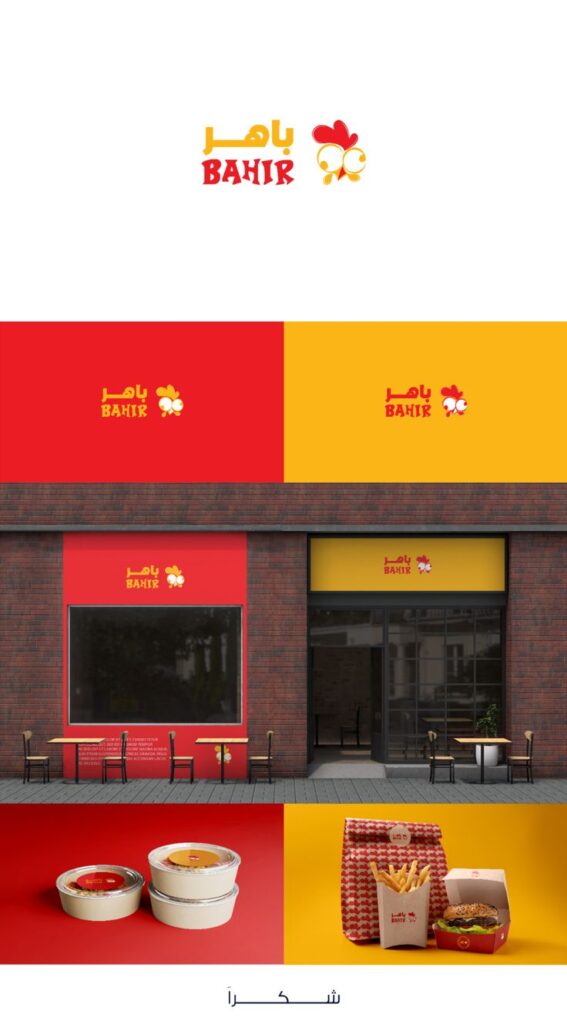
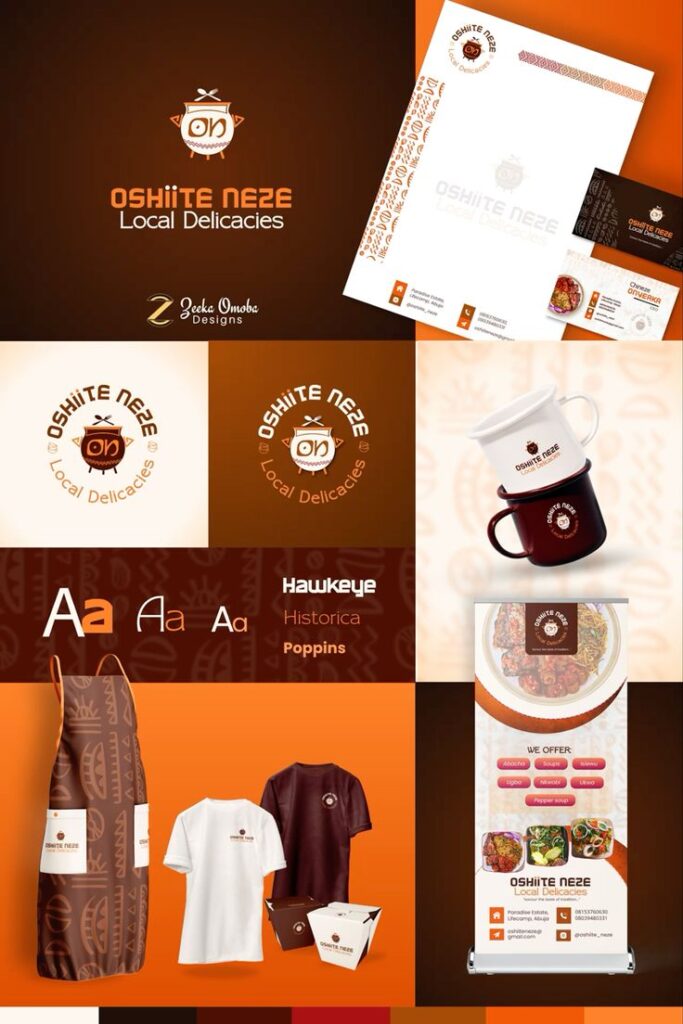
Packaging design for restaurants
Packaging design is a great way to brand your restaurant. Your restaurant’s brand can be extended beyond its physical location with custom packaging.
Effective restaurant packaging design:
- Consistent branding is used
- It feels premium, yet functional
- Communication of hygiene and quality
Every delivery becomes a marketing tool with branded packaging.
Interior & exterior Branding Design
The physical environment of your restaurant should be a reflection of the brand. The overall experience is influenced by interior design, tableware, signage, wall graphic, lighting and more.
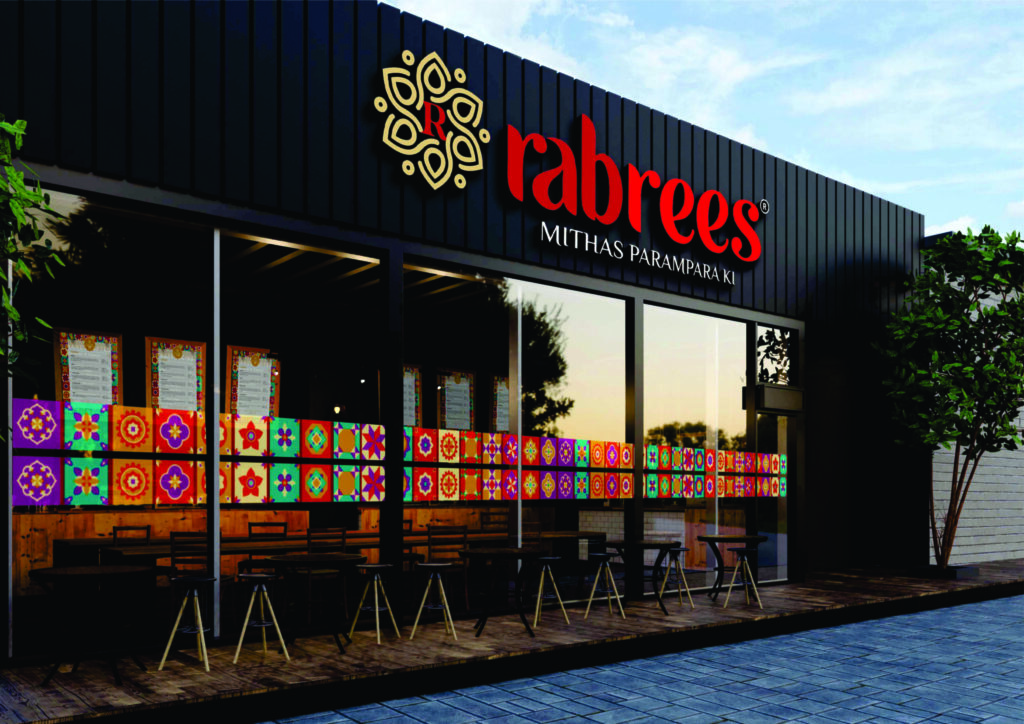
Storefront signs and window designs play a crucial role in increasing footfall and attracting customers.
Digital branding for restaurants
Restaurant branding online must be effective in today’s digital world.
- Digital branding:
- Website design
- Menu Online
- Social Media Graphics
- Food Photography
- Google Business Profile Visuals
Brand recognition is enhanced by consistency across all digital platforms. This builds online audience trust.
Common Branding Errors in Restaurants You Should Avoid
- Instead of creating a unique brand, copying your competitors is a bad idea
- Consistent branding across all platforms
- Logos and design that are too complicated
- You can ignore the preferences of your target audience
- Visuals and photography of poor quality
These mistakes can damage your brand and prevent long-term success.
What is the best way to create a strong restaurant branding design system?
A branding design system ensures consistency. Brand guidelines are included, which cover logos, colors, fonts, style of imagery, tone, and voice. It is easier to create a consistent brand on all touchpoints.
These systems are often developed by professional branding agencies to help ensure consistency and scalability.
The Future of Restaurant Branding Design
Future of Restaurant Branding Design
- Clean and minimal branding
- Sustainability and Eco-friendly Packaging
- Brand identities that are based on stories
- Handcrafted designs and styles
- Social-media-first visual branding
Restaurants can maintain brand integrity and relevance by staying up to date with the latest trends.
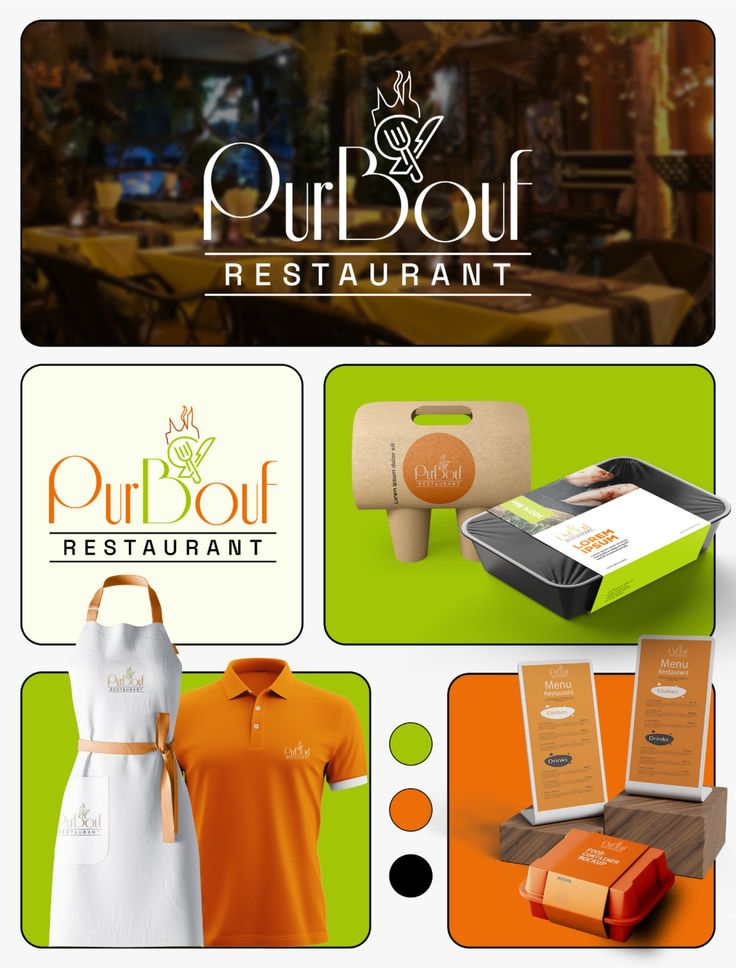
Summary
It is not an option to invest in restaurant branding. This is because it directly affects customer perception, business growth, and loyalty. Throughout this Design Guide for Restaurant Branding we have explored how Branding Design and restaurant branding work together to produce memorable dining experiences.
Every detail, from defining your branding strategy to creating a cohesive design for logos, packages, interiors and digital platforms to help customers understand your restaurant, is important. A strong brand helps you to stand out from the competition, create emotional connections and provide a consistent, memorable experience for your customers.
Branding is a continuous process for successful restaurant brands. Your branding should evolve as customer tastes, technologies, and trends change. By avoiding common branding errors and investing in an effective design system, you can ensure consistency and scalability.
A thoughtful approach to branding your restaurant can make a huge difference in the success of any business, whether you’re launching a brand new one or revamping an old one. This transforms casual customers into loyal ones and helps your restaurant to be recognizable in both physical and digital environments.
Restaurant owners who focus on creativity, strategy and consistency can use branding not only as an attractive visual asset but also as a business tool that will help them achieve long-term growth in the food and hospitality industries.